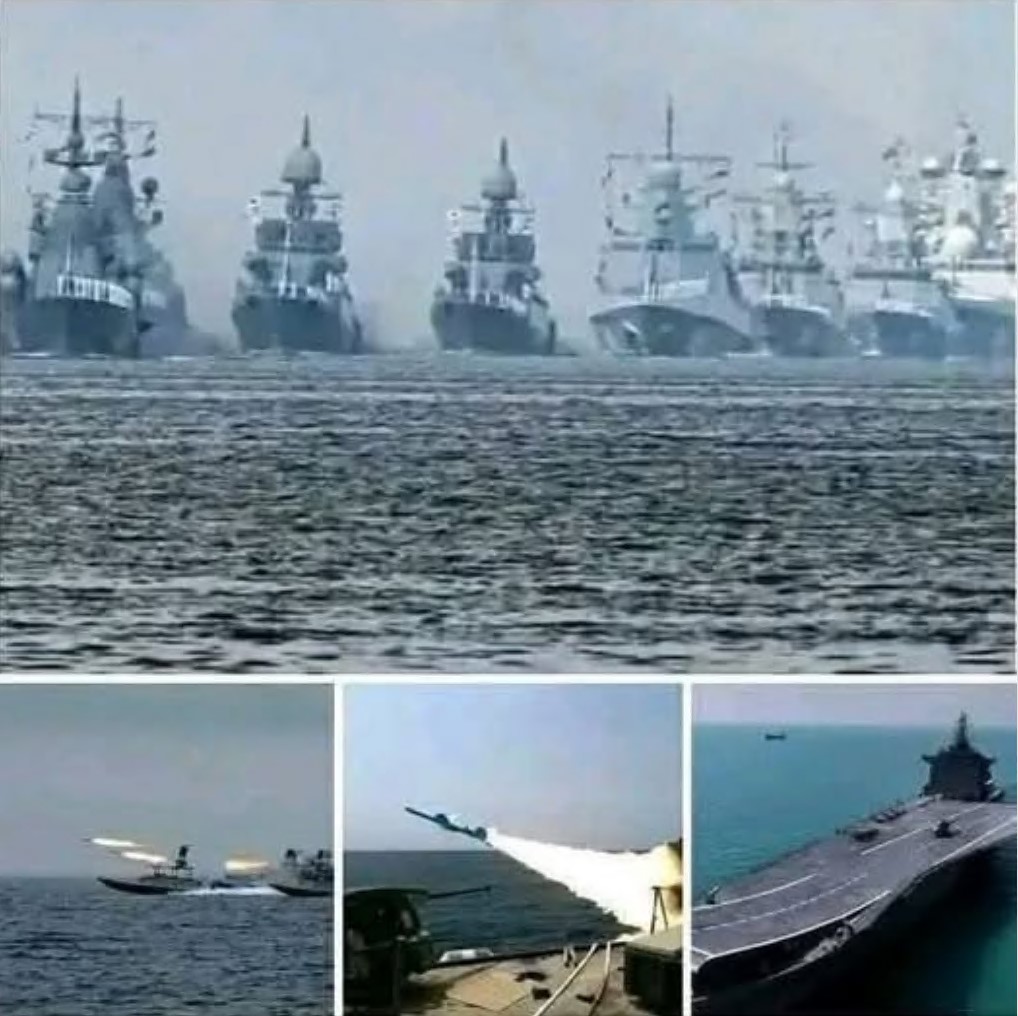
Tensions between United States and Iran have entered a dangerous new phase, as recent military strikes have pushed the long-standing rivalry closer to open confrontation. What began as a period of rising hostility has now transformed into a situation with global implications, sparking urgent calls for restraint from leaders around the world.
According to multiple reports, U.S. forces carried out targeted strikes on Iranian military and strategic sites following intelligence assessments that pointed to potential threats from Iranian-backed operations. Officials in Washington framed the action as defensive — a calculated move intended to deter further escalation and protect U.S. interests in the region. However, in Tehran, the response has been swift and unequivocal.
Iranian leaders condemned the strikes as a direct act of aggression, accusing the United States of violating international norms and escalating tensions unnecessarily. State media outlets in Iran have amplified the message, portraying the strikes as an attack not just on military infrastructure, but on national sovereignty. Senior officials have vowed that Iran will defend its interests and respond appropriately, though the nature and timing of any response remain uncertain.
This unfolding situation has immediately drawn international attention.
Governments across Europe, Asia, and the Middle East have issued statements urging both sides to exercise restraint and prioritize diplomatic solutions. The fear is clear: a cycle of retaliation could quickly spiral into a broader regional conflict, with consequences that extend far beyond the two nations directly involved.
Allies of the United States have largely expressed support for measures they believe are aimed at preventing future attacks and maintaining regional stability. At the same time, critics — including some international observers and political leaders — have warned that the use of military force risks deepening instability in an already volatile region.
The Middle East, long shaped by complex alliances and ongoing conflicts, now faces the possibility of further disruption. Strategic waterways, energy supplies, and regional security dynamics all hang in the balance. Even limited escalation between the United States and Iran has the potential to impact global markets, particularly oil prices, which are highly sensitive to geopolitical uncertainty.
In Tehran, public sentiment appears to be a mix of anger, concern, and national resolve. Official statements have emphasized unity and resistance, while reports suggest that protests have taken place in some areas, reflecting both opposition to foreign intervention and anxiety about what might come next. Across other parts of the world, demonstrations have also emerged — some in support of Iran, others calling for peace and de-escalation.
Meanwhile, international organizations have moved quickly to address the growing crisis. Emergency discussions have been convened within bodies such as the United Nations, where diplomats are working behind the scenes to prevent further escalation. The focus remains on reopening communication channels and finding a path back to dialogue before the situation deteriorates further.
Analysts emphasize that the coming days will be critical.
Much depends on how both Washington and Tehran choose to proceed. A measured response could create space for diplomacy, allowing tensions to cool and negotiations to resume. On the other hand, any additional military action — from either side — could trigger a chain reaction that becomes increasingly difficult to contain.
The stakes are not limited to politics or military strategy.
At the heart of this crisis are millions of people whose lives could be affected by the decisions of leaders. From civilians in the region to global communities watching from afar, the uncertainty is deeply felt. Economic ripple effects, security concerns, and humanitarian risks all underscore the seriousness of the moment.
There is also a broader question at play: how the international system responds to conflict in an era where geopolitical rivalries are intensifying. The balance between deterrence and diplomacy, between national security and global stability, is being tested once again.
For now, the world remains on edge.
Each statement, each movement, and each decision carries weight. Whether this moment becomes a turning point toward deeper conflict or a catalyst for renewed diplomacy will depend on choices made in real time — choices that could shape the trajectory of international relations for years to come.
In a world already navigating uncertainty, one thing is clear: what happens next between the United States and Iran will not stay contained. It will echo across borders, markets, and societies — reminding everyone how fragile global stability can be.
 admin
admin