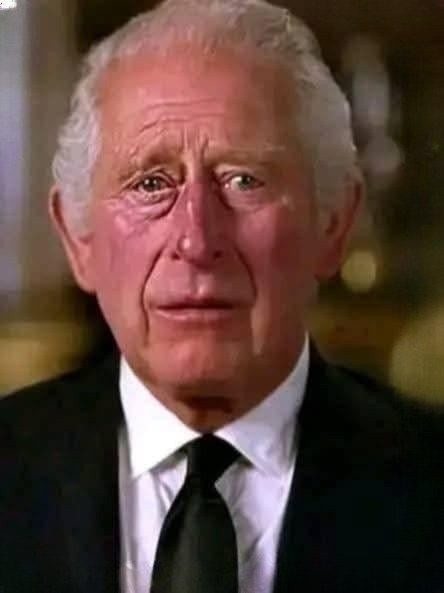
Reports about King Charles III and his health continue fueling intense public speculation, especially as discussions surrounding the royal contingency plan known as “Operation Menai Bridge” resurface online. However, it’s important to separate confirmed information from rumor and interpretation.
Buckingham Palace has publicly confirmed that King Charles is undergoing treatment for cancer following his diagnosis announced in early 2024. The exact type of cancer has not been disclosed publicly. Since then, the King has reduced some public duties while continuing treatment and making selective appearances.
The phrase “Operation Menai Bridge” refers to the codename for the official funeral and succession planning procedures related to King Charles’ eventual death — something that exists for all senior members of the British royal family. Similar plans existed for Queen Elizabeth II under “Operation London Bridge.” These plans are routinely maintained and updated regardless of immediate health status.
Recent media reports and insider claims have suggested the King may be more unwell privately than official statements indicate, though these claims remain based largely on unnamed sources rather than confirmed palace disclosures. Some outlets have reported that royal officials continue reviewing and updating funeral arrangements as part of standard protocol following his cancer diagnosis.
At the same time, Buckingham Palace has also emphasized that portions of the King’s treatment have shown positive progress and that certain public duties have resumed cautiously.
Public concern has naturally intensified because King Charles’ illness comes during a particularly fragile period for the modern monarchy. Alongside the King’s diagnosis, Catherine, Princess of Wales also revealed her own cancer diagnosis in 2024 before later announcing she was in remission. The overlapping health concerns surrounding senior royals created a sense of uncertainty that has kept global attention fixed on the future of the monarchy.
Meanwhile, Prince William has increasingly stepped into a more visible leadership role, taking on additional royal duties and public engagements during periods when the King reduced appearances for treatment. Many royal observers view this as both practical support for his father and gradual preparation for greater future responsibility.
Behind the ceremony and royal protocol, however, the situation remains deeply human.
Cancer diagnoses involving public figures often create two parallel realities: the official statements released publicly, and the emotional uncertainty unfolding privately within families and inner circles. The monarchy traditionally values stability, continuity, and controlled communication, meaning updates about health are often delivered cautiously and selectively.
That careful balance can sometimes fuel even more speculation.
For supporters of the royal family, seeing an aging monarch continue public duties while undergoing treatment inspires admiration and sympathy. For critics and commentators, limited transparency can lead to rumors expanding far beyond confirmed facts.
At this stage, there is no official confirmation that King Charles is near death or facing immediate collapse, despite dramatic headlines circulating online. What is confirmed is that he remains in treatment for cancer while royal contingency planning — standard for all monarchs — continues in the background as it always does.
Still, the emotional weight surrounding these discussions is understandable.
The British monarchy represents continuity and national identity for many people across the United Kingdom and the wider Commonwealth. Conversations about funeral plans, succession, and declining royal health naturally carry symbolic significance far beyond ordinary political news.
And perhaps that is why stories about Operation Menai Bridge resonate so strongly publicly.
Not simply because people are discussing protocol.
But because beneath the headlines lies a larger awareness that the monarchy, like every institution, is shaped by mortality, transition, and the fragile reality that even kings remain human beneath crowns and ceremony.
 admin
admin