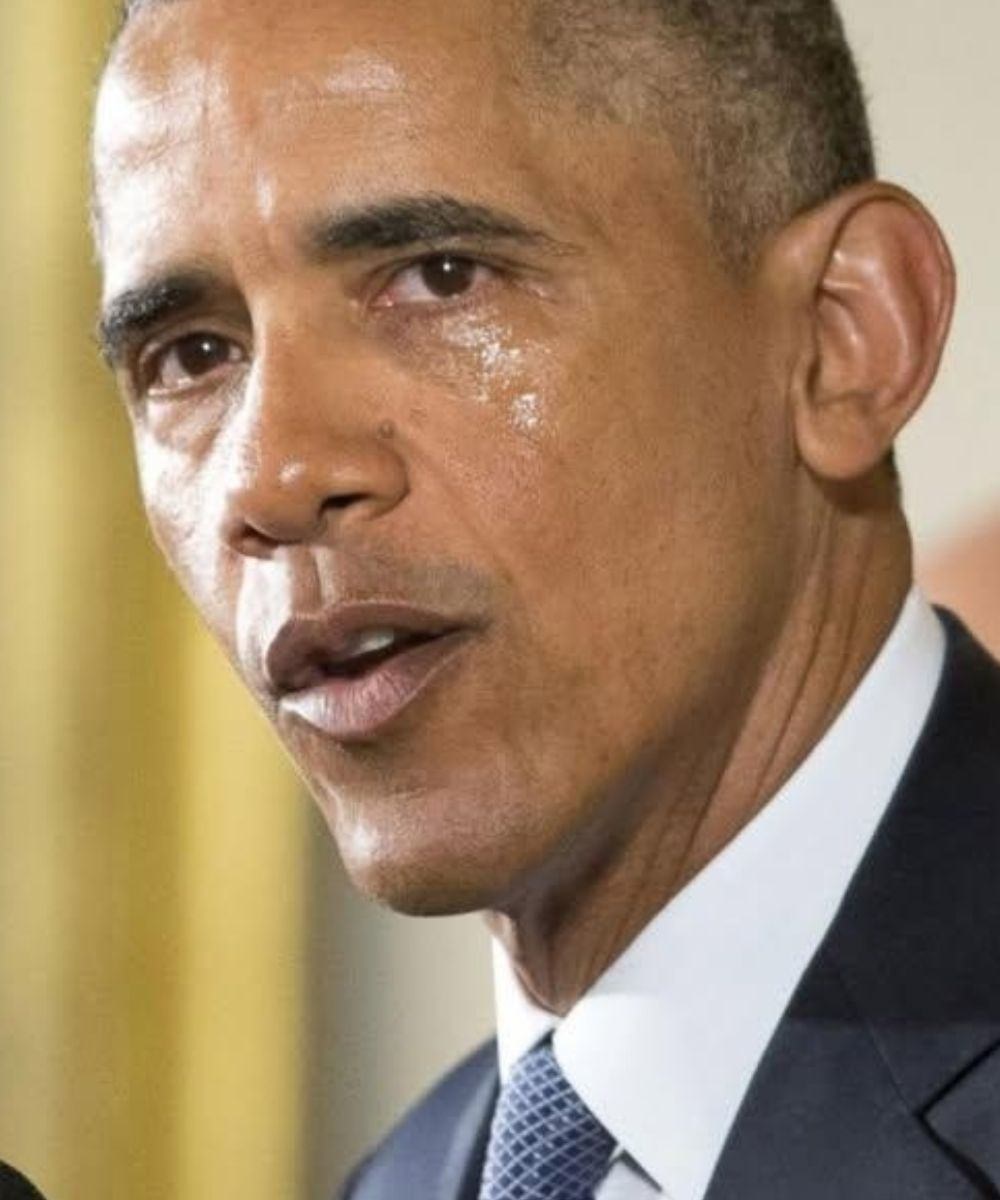
Fresh political debate has erupted after Barack Obama made remarks suggesting that support for Donald Trump reflects what he described as a “disrespect for democracy,” comments that quickly ignited strong reactions across the American political landscape.
The remarks, delivered during a recent public appearance, spread rapidly online within hours, triggering praise from some audiences and outrage from others. Supporters of Obama viewed the comments as a necessary defense of democratic institutions and constitutional norms, while critics accused the former president of unfairly dismissing millions of Americans who support Trump politically.
The controversy reflects a broader reality shaping modern American politics: disagreement today is rarely viewed simply as disagreement anymore. Increasingly, political debates become moral and existential arguments about the meaning of democracy itself.
According to those who support Obama’s position, his comments stem from longstanding concerns regarding election denialism, attacks on democratic institutions, and the erosion of trust in constitutional processes following the 2020 election and the events surrounding January 6, 2021.
Obama has repeatedly warned in recent years that democracy depends on more than voting alone. In speeches and interviews, he has emphasized the importance of respecting election outcomes, maintaining trust in civic institutions, protecting the rule of law, and preserving peaceful transfers of power regardless of political outcome.
To many of his supporters, backing leaders they believe undermined those principles raises legitimate concerns about the future stability of American democratic systems.
From that perspective, Obama’s comments were interpreted less as criticism of individual voters personally and more as criticism of political movements or leadership styles perceived as threatening institutional norms.
But supporters of Trump reacted strongly against that framing almost immediately.
Many argued that supporting a political candidate — regardless of controversy — is itself an expression of democratic participation, not hostility toward democracy. Critics of Obama’s remarks said the language sounded elitist, dismissive, and unfairly accusatory toward ordinary Americans whose frustrations with government, media, and political institutions have grown dramatically in recent years.
For those voters, support for Trump often reflects dissatisfaction with the political establishment rather than rejection of democracy itself.
Many Trump supporters insist their concerns center around issues such as economic anxiety, immigration policy, distrust of federal institutions, media bias, cultural change, and belief that political elites have become disconnected from working-class Americans.
From that viewpoint, questioning institutions or criticizing political systems does not necessarily equal rejecting democracy — it can instead reflect anger toward systems people believe no longer represent them fairly.
That divide explains why comments like Obama’s generate such intense emotional reactions.
Because both sides increasingly believe they are defending democracy while accusing the other side of threatening it.
And once political disagreement becomes framed in existential terms, compromise becomes far more difficult.
The controversy also highlights how influential former presidents remain in shaping public conversation long after leaving office. Obama continues to hold enormous symbolic weight within Democratic politics and global political culture more broadly. His public interventions are rarely treated as casual commentary; they become national political events almost immediately.
Likewise, Trump remains one of the most dominant and polarizing political figures in modern American history. Any statement connecting him to broader questions about democracy instantly activates fierce reactions from supporters and opponents alike.
As the 2024 political environment continues intensifying, these rhetorical clashes are becoming increasingly common. Public discourse in the United States has grown deeply polarized, with political identities now tied closely to emotional, cultural, and moral beliefs rather than policy disagreements alone.
For many Americans, politics no longer feels like competition between different governing philosophies.
It feels like a struggle over national identity itself.
That emotional intensity shapes how comments like Obama’s are interpreted.
Some hear a warning about democratic erosion.
Others hear contempt toward political opposition.
Some believe defending institutions requires speaking bluntly about perceived threats.
Others believe labeling political opponents as dangers to democracy only deepens division further.
In reality, both reactions reveal something important about the current American political climate:
Trust has fractured deeply.
Not only trust between political parties, but trust in institutions, elections, media systems, leadership, and even shared definitions of truth itself.
That fragmentation creates an environment where nearly every major political statement becomes amplified emotionally far beyond the original comment.
And perhaps that is why remarks like these resonate so powerfully.
Because beneath the headlines and political outrage lies a larger national tension many Americans feel daily: uncertainty about what democracy itself now means in a country where citizens increasingly experience reality through entirely different political lenses.
For now, Obama’s remarks continue fueling heated discussion online and across television networks, podcasts, rallies, and political commentary shows. Supporters praise him for speaking openly about concerns they believe are urgent. Critics argue the comments further inflame division at a moment when the country already feels dangerously polarized.
Neither side appears likely to back down.
And as another election cycle intensifies, moments like this are likely to become even more frequent — reminders not only of political disagreement, but of how emotionally fractured the American public conversation has become.
Because in today’s climate, debates are no longer only about candidates.
They are about competing visions of what democracy itself should look like — and who gets to define whether it is being protected or threatened.
 admin
admin