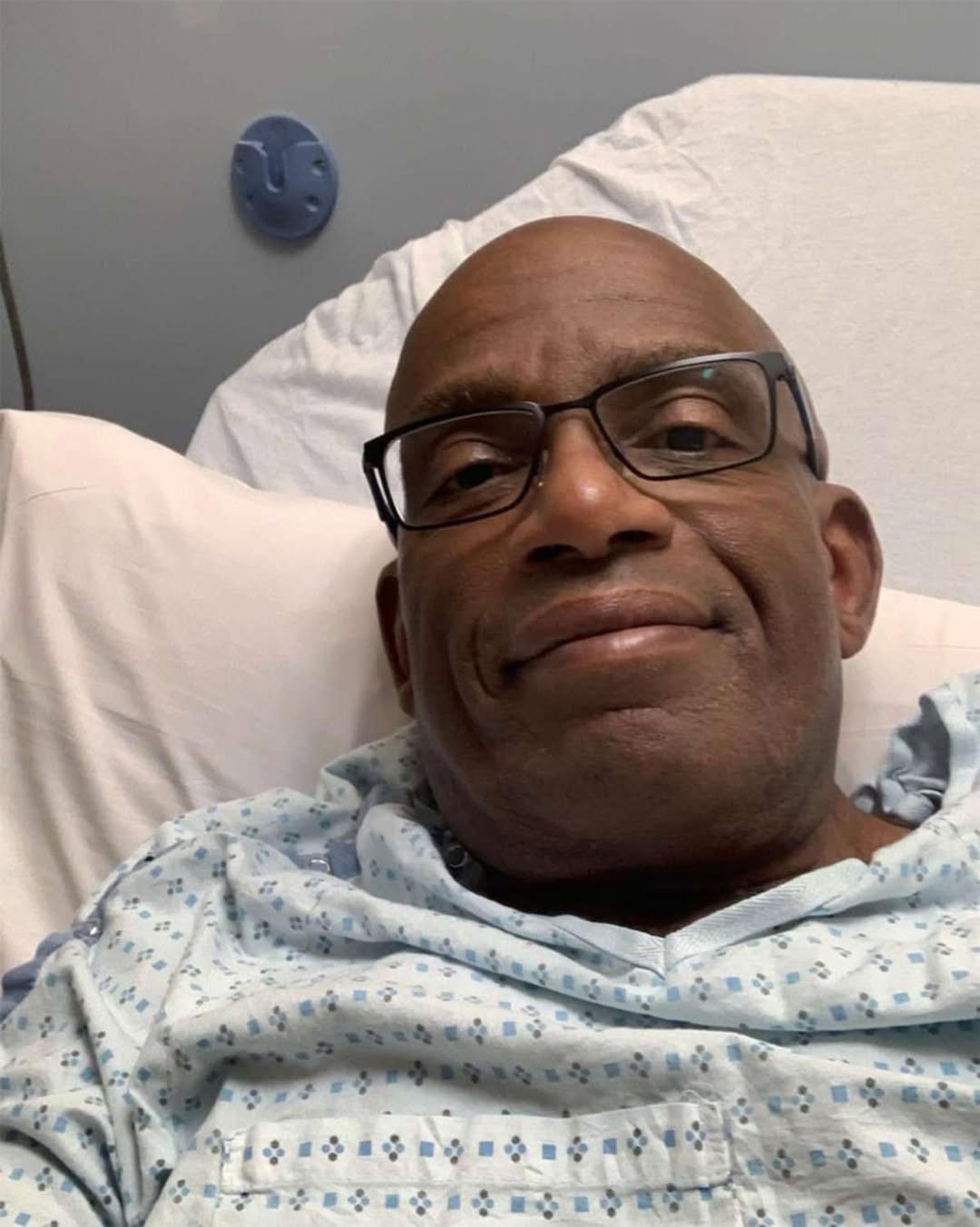
Al Roker’s return to television in early 2023 carried a weight that went far beyond the usual rhythms of morning programming. For viewers of Today, it wasn’t just the return of a familiar face—it was the return of someone who had come dangerously close to being lost. His reappearance on screen felt less like a routine broadcast moment and more like a collective release of breath across the country. After weeks of uncertainty surrounding his health, seeing him smile again, standing where he had stood for decades, brought an emotional response that few television moments ever achieve.
Colleagues who had shared the studio with him for years struggled to hold back tears. Their reactions reflected not just professional camaraderie, but genuine affection and relief. Roker has long been more than a coworker—he has been a cornerstone of the show’s identity, a steady and reassuring presence that audiences trust. For viewers at home, many of whom had followed updates about his condition, the moment felt deeply personal. People who had never met him found themselves overwhelmed with emotion, as if welcoming back a member of their own family.
What made his return even more powerful was the story behind it. Roker had endured a serious health crisis that forced him to confront his own mortality in ways few public figures ever share so openly. Rather than retreat from the spotlight, he chose to lean into his experience, transforming it into a message that extends far beyond weather forecasts. In the years since, he has become an advocate for awareness—particularly encouraging men, and especially men of color, to prioritize their health, seek medical screenings, and listen carefully to their bodies.
This shift in purpose has given new depth to his public presence. The man who once focused on delivering the day’s weather now speaks candidly about life’s unpredictability. His message resonates because it is rooted in lived experience. He doesn’t speak from theory or distant concern—he speaks from survival. That authenticity has made his voice even more impactful, turning his platform into something larger than entertainment.
Roker himself has acknowledged how profoundly the experience changed him. He has spoken about slowing down, about valuing each moment more intentionally. Simple routines—walking, spending time with loved ones, reflecting—have taken on deeper meaning. Faith, too, has played a more visible role in his outlook, as he openly discusses gratitude for the chance to continue living a life he nearly lost. His perspective is no longer just about predicting storms, but about understanding them—both literal and metaphorical.
There is a poetic symmetry in that transformation. For decades, Roker helped viewers prepare for changing weather conditions, offering guidance and reassurance when storms approached. Now, he embodies that very lesson. Life’s storms, as he often implies, can arrive without warning. They can disrupt everything in an instant. But preparation—whether through health awareness, community support, or mental resilience—can make the difference between despair and survival.
His journey has also highlighted the importance of community. The outpouring of support he received during his recovery—from colleagues, viewers, and even strangers—underscored the deep connection he has built over the years. It served as a reminder that public figures, despite their visibility, are still human beings whose lives can be touched and strengthened by collective care.
Today, when Roker stands in front of the camera and describes a sunrise or forecasts a new day, there is an added layer of meaning behind his words. Each morning he greets is one he nearly never saw. That awareness brings a quiet gravity to even the simplest segments, transforming routine moments into something more reflective and profound.
His story continues to inspire not because it is dramatic, but because it is relatable. It speaks to vulnerability, resilience, and the universal truth that life can change in an instant. Through his openness, Al Roker has redefined his role—not just as a broadcaster, but as a messenger of awareness, gratitude, and hope.
 admin
admin