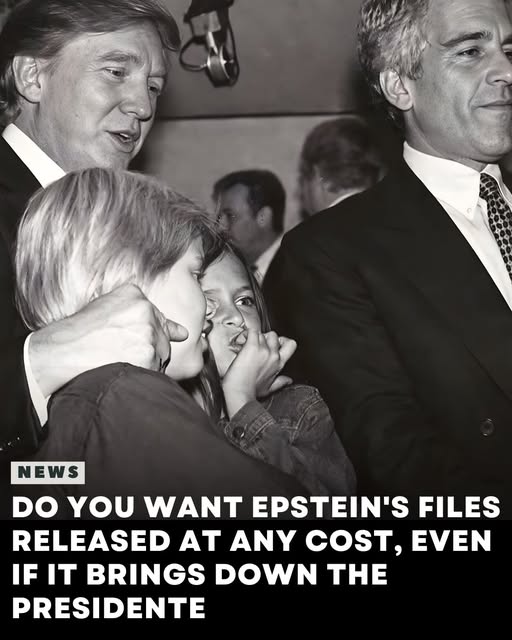
The debate over transparency in matters connected to Jeffrey Epstein continues to gain momentum across the United States. Years after his death, questions surrounding his network, associations, and the extent of what was known — and by whom — remain unresolved in the eyes of many. While portions of investigative material have been released, a significant number of documents are still sealed, fueling public curiosity and political pressure.
In late 2025 and early 2026, the United States Department of Justice released thousands of pages related to the case. These documents provided additional context about the investigation, including communications, testimonies, and legal proceedings. However, for many observers, the release raised as many questions as it answered. The existence of additional sealed files has become a central point of concern, with critics arguing that partial transparency is not enough in a case of such public importance.
The issue has increasingly drawn attention from lawmakers on both sides of the political spectrum. Members of the United States House Committee on Oversight and Accountability have expressed interest in further examining the remaining records and understanding why certain materials remain confidential. Hearings and public statements have emphasized the need for accountability and clarity, especially given the widespread attention the case has received over the years.
Several high-profile figures have been referenced in discussions surrounding the case, including former U.S. President Bill Clinton and former Secretary of State Hillary Clinton. Lawmakers have also mentioned former President Donald Trump in the broader conversation, pointing to past public appearances or associations that have been documented over time. It is important to note that references or mentions in documents do not necessarily imply wrongdoing, but they have contributed to the intensity of public interest.
At the heart of the debate is a broader question: should all remaining documents be made public, regardless of the potential political or social implications? Advocates for full transparency argue that releasing all available information would help restore public trust and bring clarity to a case that has long been surrounded by speculation. They believe that transparency is essential not only for accountability but also for ensuring that similar situations are addressed more effectively in the future.
On the other hand, some officials and legal experts caution that certain documents may remain sealed for valid reasons. These reasons can include protecting the privacy of individuals not charged with crimes, safeguarding ongoing investigative methods, or complying with legal standards that govern the release of sensitive information. Balancing transparency with these considerations is a complex challenge that continues to shape the conversation.
Public interest in the case remains high, in part because of its intersection with power, influence, and justice. The idea that significant information could remain hidden has led to ongoing speculation, particularly on social media platforms where discussions often move faster than verified facts. This environment has made it even more important for official channels to provide clear and accurate information when possible.
As discussions continue in Washington and beyond, the outcome of this debate could have broader implications for how similar cases are handled in the future. Decisions about document release, oversight, and accountability may influence public expectations for transparency in other high-profile investigations.
Ultimately, the question is not only about what remains in the sealed files, but also about how institutions respond to public demands for openness. Whether through additional document releases, further hearings, or policy changes, the coming months may play a key role in shaping how this chapter is understood — and how trust in public institutions is maintained moving forward.
 admin
admin