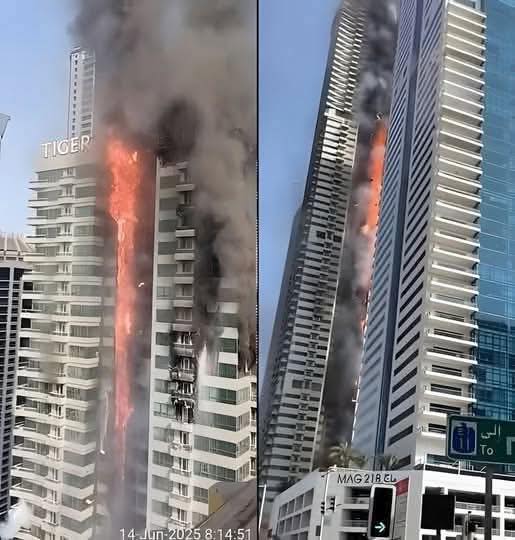
Recent reports and discussions across international media suggest that Israel may once again be facing heightened security threats in 2025. The Middle East has long been a region where political tensions, historical grievances, and security concerns intersect. When new reports emerge about attacks or rising hostilities, they quickly capture global attention. To understand the situation more clearly, it is important to examine the broader context, the possible actors involved, and the potential consequences for both the region and the international community.
Israel Under Pressure in 2025
Israel has existed in a complex geopolitical environment since its founding in 1948. Surrounded by regional conflicts, shifting alliances, and ongoing disputes, the country has frequently faced security challenges. In 2025, reports suggest that tensions may again be intensifying. These reports describe incidents such as missile launches, border clashes, cyber threats, and other security concerns that raise alarms about regional stability.
While specific details about every incident can vary depending on the source, the overall picture points to a period of heightened alert. Israeli defense systems, including advanced missile interception technologies, remain a key part of the country’s response strategy. These systems are designed to protect civilian populations while allowing authorities time to assess threats and react accordingly.
Who Might Be Behind the Attacks?
Determining responsibility for attacks in such a complex region is rarely simple. The Middle East contains multiple groups with political, ideological, or territorial disputes involving Israel. These groups can include militant organizations, armed factions, or even state actors operating indirectly through proxies.
Historically, conflicts involving Israel have included tensions with groups based in neighboring territories such as Gaza, Lebanon, or Syria. Additionally, geopolitical rivalries between larger regional powers sometimes influence local conflicts. In many cases, responsibility for attacks is debated or contested, with different parties offering conflicting claims.
Because of this complexity, analysts emphasize caution before drawing firm conclusions about who is responsible for any specific event. Intelligence investigations, diplomatic channels, and international monitoring organizations often play a role in verifying what actually occurred.
Israel’s Response and Security Measures
When facing security threats, Israel typically responds with a combination of military readiness, intelligence operations, and defensive systems. The country maintains one of the most technologically advanced defense networks in the region. Systems designed to intercept rockets and drones have been deployed in several areas to protect civilian communities.
In addition to defensive measures, Israeli authorities may also increase military patrols along borders, conduct surveillance operations, and coordinate with international allies. These responses are often aimed at deterring further attacks and maintaining stability inside the country.
However, these responses can sometimes escalate tensions further, particularly if retaliatory strikes occur. This cycle of action and reaction has been a recurring feature of conflicts in the region for decades.
Regional and Global Consequences
The implications of renewed violence in Israel extend far beyond the country’s borders. The Middle East plays a critical role in global politics, trade routes, and energy markets. When tensions rise, neighboring countries often feel the effects immediately.
For example, border instability can create humanitarian challenges, including displacement of civilians or disruption of economic activity. Additionally, global markets can react to uncertainty in the region, especially when energy supplies or major shipping routes are involved.
International organizations and foreign governments often monitor developments closely because instability in the region can influence diplomatic relations and global security discussions.
Is Peace Still Possible?
Despite repeated cycles of tension, many observers continue to believe that long-term peace remains possible. History has shown that diplomatic agreements, though difficult to achieve, can reduce hostilities and open pathways for cooperation.
Efforts toward peace typically involve negotiations, mediation by international partners, and confidence-building measures between parties in conflict. These processes are rarely quick or easy, but they remain an essential part of any lasting solution.
Many experts argue that dialogue and diplomacy, supported by regional and global cooperation, are the most sustainable ways to reduce violence and promote stability.
The Role of the International Community
The international community plays a significant role in supporting stability in the Middle East. Countries and organizations can contribute by encouraging dialogue, supporting humanitarian initiatives, and facilitating diplomatic negotiations between conflicting parties.
Global cooperation is particularly important when tensions rise, as coordinated diplomatic efforts can help prevent misunderstandings and reduce the risk of escalation. Peacekeeping missions, humanitarian assistance, and economic partnerships are also tools that can support stability over time.
Conclusion
The situation surrounding Israel in 2025 reflects the broader challenges that have long defined the Middle East. Reports of attacks and rising tensions remind the world how fragile stability in the region can be. While security responses are often necessary in the short term, lasting peace will depend on continued dialogue, diplomatic engagement, and international cooperation.
Ultimately, the hope shared by many around the world is that future generations in the region will experience greater security, cooperation, and peace than those who came before.
 admin
admin