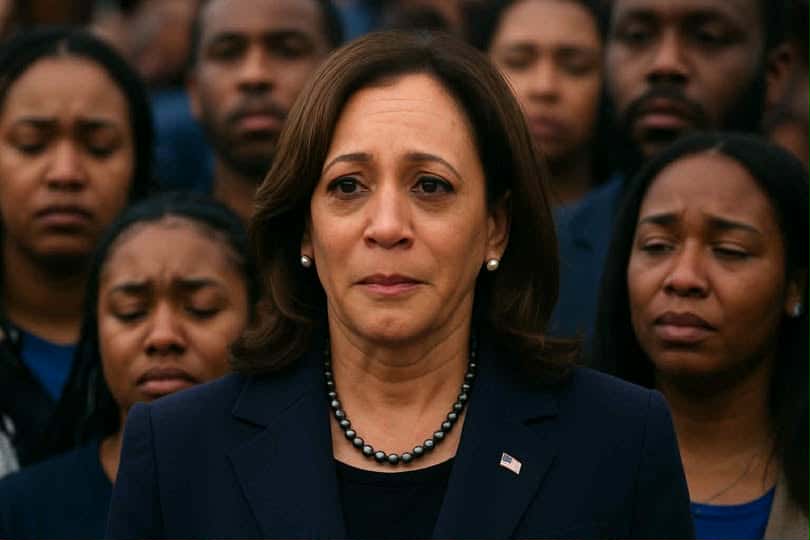
Historic Political Moment: Where Kamala Harris Stands as U.S. Election Landscape Shifts
In recent years, Vice President Kamala Harris has remained a central figure in American politics — but not in the role some may imagine. Harris made history as the first woman, first Black person, and first person of South Asian descent to serve as vice president of the United States from 2021 to 2025.
Back in 2024, Harris became the Democratic Party’s official presidential nominee after President Joe Biden withdrew from the race and endorsed her. She secured the nomination at the Democratic National Convention with strong delegate support. However, in the 2024 general election, she and her running mate, Governor Tim Walz of Minnesota, were defeated by the Republican ticket of Donald Trump and Senator J.D. Vance.
While she did not win the presidency, that campaign marked a notable chapter in U.S. political history. Harris’s nomination represented a continuation of her trailblazing career, even as the broader political terrain remains deeply competitive and unpredictable.
Since the 2024 election, Harris has remained active in public life, but she has not been confirmed as the Democratic nominee for any future presidential election as of early 2026. News coverage and political analysis emphasize that the Democratic Party’s 2028 nomination contest is still wide open, with multiple potential candidates under consideration and no clear front-runner confirmed.
Political observers note that Harris’s influence still resonates among many voters — particularly in some key Democratic constituencies — even as party leaders and strategists debate the best path forward for upcoming elections. Some supporters have suggested she could seek the nomination again, while others believe new leadership may emerge.
For now, Democratic activists are watching battleground states and tracking potential contenders as the nation’s political landscape shifts, especially with the midterm elections and 2028 presidential cycle on the horizon.
Experts explain that American presidential nomination processes involve formal delegate selection, primary contests, and party conventions, and no candidate is officially the nominee until those procedures are complete. As of this moment, no such confirmation has taken place for Harris or any other candidate for the 2028 presidential election.
Harris’s policy priorities — including reproductive rights, economic equity, and climate change — have remained central to Democratic discourse, and many of the issues she championed continue to shape debate within the party and across the country. While she has been a polarizing figure to some, her historic role and extensive career in public service have established her as one of the most recognizable political leaders of her generation.
As the U.S. political calendar progresses, voters and analysts alike will be watching closely to see how potential candidates position themselves, how the Democratic Party addresses internal divisions, and what strategies emerge as the 2028 presidential primaries approach.
This evolving context makes it clear that while Harris remains an important figure in U.S. politics, she has not been officially named the Democratic presidential nominee for any future election as of now — and the broader nomination process is still underway.
 admin
admin