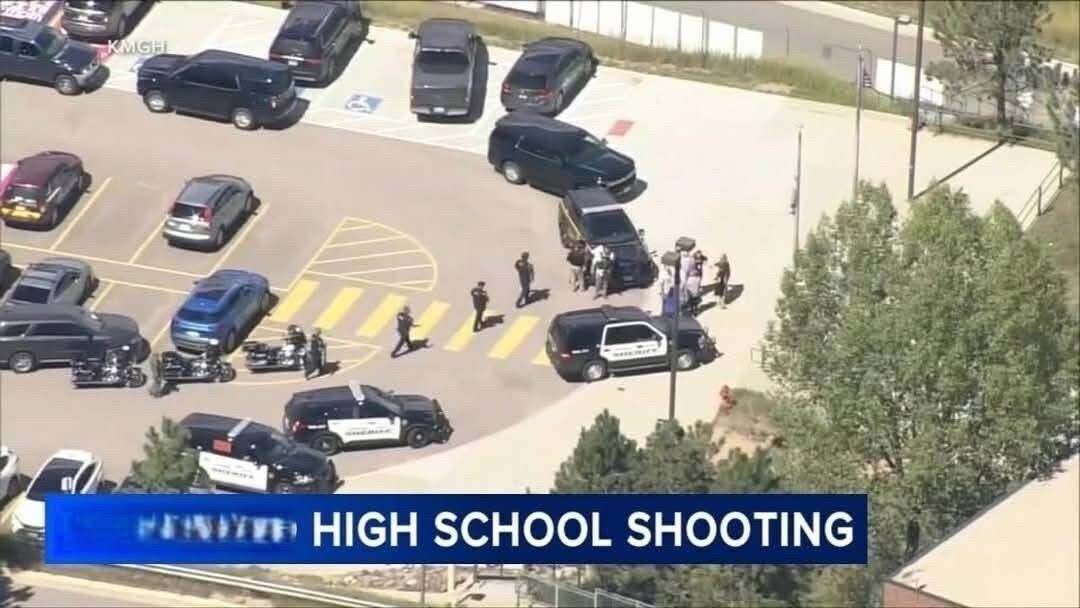
A fictional scenario written for storytelling and awareness purposes. Not real events.
On Saturday, December 13, 2025, a winter afternoon at Brown University was shattered in ways no one on campus could have imagined.
Snow had begun to fall lightly over Providence, softening footsteps along College Hill. Students drifted between libraries and dorms, scarves pulled tight, minds focused on exams, weekend plans, and the ordinary rhythm of university life.
Then the sound came.
Sharp. Violent. Unmistakable.
Gunfire echoed through the halls of the Barus & Holley engineering building, slicing through conversations and lectures in an instant. At first, some thought it was construction noise. Others froze, unsure.
Seconds later, screams followed.
Students dropped backpacks and ran. Faculty shoved open classroom doors, pulling anyone nearby inside. Phones were raised with shaking hands as emergency calls flooded dispatch centers.
Two students were killed inside the building.
Nine others were wounded.
Hallways filled with chaos. Footsteps thundered. Doors slammed shut. Desks were dragged across floors as makeshift barricades. Some hid in closets. Others crouched beneath lab tables, whispering prayers or texting loved ones with hands that would not stop trembling.
The gunman fled on foot.
By the time police arrived, the campus had transformed into something unrecognizable.
Sirens cut through the cold air. Officers rushed between buildings, rifles raised, shouting commands. Helicopters circled overhead. Students were ordered to shelter in place as the university issued an emergency lockdown alert.
Brown University — normally alive with voices and movement — fell silent.
Inside dorm rooms and lecture halls, hundreds waited in darkness, refreshing their phones for updates, listening to distant sirens, wondering if footsteps outside meant safety or danger.
Classes were immediately canceled.
Counseling centers expanded their hours within minutes of the lockdown lifting. Professors sent emails that felt painfully small compared to the loss already etched into the campus.
By nightfall, candles flickered across College Hill.
Students gathered quietly outside buildings, placing flowers, handwritten notes, and photos along sidewalks dusted with snow. Some stood alone. Others held hands. Many cried without making a sound.
Names were not released.
Only the weight of absence.
Law enforcement launched a massive investigation involving local police, Rhode Island state authorities, and federal agencies. Surveillance footage was reviewed frame by frame. Witness statements were collected from students who still struggled to form sentences.
A reward was offered for information.
But no immediate arrest was made.
The uncertainty lingered like frost in the air.
In the days that followed, Brown tried to move forward — carefully, gently.
Town halls were held about safety.
Security was increased.
Professors offered deadline extensions no one knew how to use.
Some students returned to class.
Others couldn’t step back inside the building.
Every loud noise caused heads to turn.
Every backpack left unattended drew uneasy glances.
The campus had changed.
Not visibly.
But permanently.
Parents arrived early. Dorm rooms emptied faster than usual. Conversations became quieter, heavier, more fragile.
And yet, something else appeared too.
Students brought meals to strangers.
Professors hugged students before lectures.
Athletes stood guard at vigils.
Messages covered the sidewalks:
“You are not alone.”
“We remember.”
“We will heal.”
No words could undo what had happened.
But they tried to hold what remained.
Recovery did not come as a moment.
It came in small steps.
In reopened doors.
In shared silence.
In counseling rooms filled with tears.
In lectures where voices shook but continued.
The investigation remained ongoing.
So did the grief.
So did the questions.
But the community learned what tragedy always teaches too late:
That safety feels permanent… until it isn’t.
And that healing is not forgetting — but learning how to breathe again in the same place where the air once disappeared.
 admin
admin