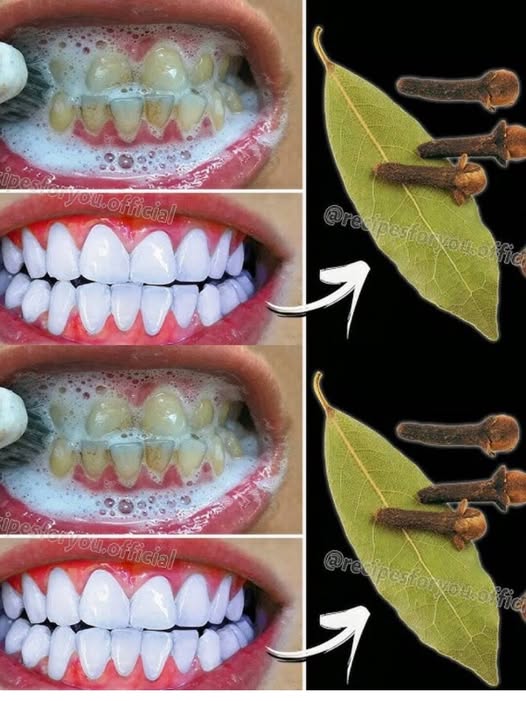
The pursuit of a brighter, whiter smile has led many people to invest in expensive whitening strips, gels, trays, and in-office dental treatments. In recent years, however, social media has popularized a much simpler—and cheaper—alternative: bay leaves. Commonly used in cooking, bay leaves (Laurus nobilis) are now being promoted online as a natural teeth-whitening remedy. Influencers and wellness pages claim that rubbing crushed bay leaves on teeth can remove stains, freshen breath, and even improve gum health. But how much of this is supported by science, and how much is wishful thinking?
Bay leaves do contain beneficial compounds. They are rich in antioxidants and have known antibacterial and anti-inflammatory properties, which explains why they are sometimes used in traditional medicine. When it comes to oral health, these properties may offer some limited benefits, particularly in reducing odor-causing bacteria and soothing mild gum irritation. Fresher breath and healthier gums can certainly contribute to a cleaner-looking smile—but that is not the same as true whitening.
The perceived whitening effect of bay leaves comes mainly from their mild abrasiveness. When dried and ground into a powder, bay leaves can help scrub away surface stains caused by foods and drinks such as coffee, tea, red wine, or tobacco. This process is similar to how baking soda works: it polishes the outer layer of the tooth (enamel), removing superficial discoloration. Once those stains are reduced, teeth may appear slightly brighter.
However, this effect is purely cosmetic and temporary. Bay leaves do not alter the natural color of teeth, nor can they remove deeper, internal stains caused by aging, medication, or enamel thinning. True whitening requires chemical agents—such as hydrogen peroxide—that penetrate enamel and break down stain molecules. Bay leaves simply do not have this capability.
Many DIY recipes circulating online combine bay leaves with baking soda, coconut oil, or lemon juice. In these mixtures, any noticeable whitening effect comes primarily from baking soda, which is a well-known polishing agent. Coconut oil may help with oral hygiene through oil pulling, but it does not whiten teeth. Lemon juice, while acidic, can actually damage enamel and increase sensitivity, making teeth appear more yellow over time.
Bay leaf rinses or powders may help reduce bad breath due to their antibacterial properties, and their anti-inflammatory compounds may support gum health. Healthier gums can make teeth look cleaner and more attractive overall. Still, these benefits relate to oral freshness and hygiene, not whitening.
It’s also important to consider potential risks. Excessive rubbing of teeth with any abrasive substance—including bay leaves—can wear down enamel. Once enamel is damaged, it does not regenerate. This can lead to increased tooth sensitivity, higher risk of cavities, and a duller, yellower appearance over time as the underlying dentin becomes more visible. Because there is no standardized method or dosage for using bay leaves on teeth, overuse is a real concern.
Crucially, there is no scientific evidence supporting bay leaves as an effective or safe teeth-whitening treatment. Dentists generally recommend caution with DIY whitening trends, especially those lacking clinical research.
In summary, bay leaves may offer minor oral health benefits, such as fresher breath and temporary removal of surface stains, but their whitening power is largely overstated. They will not deliver dramatic or long-lasting results. A brighter smile comes from consistent brushing and flossing, limiting stain-causing foods, regular dental checkups, and dentist-approved whitening methods—not herbal shortcuts trending on social media.
 admin
admin