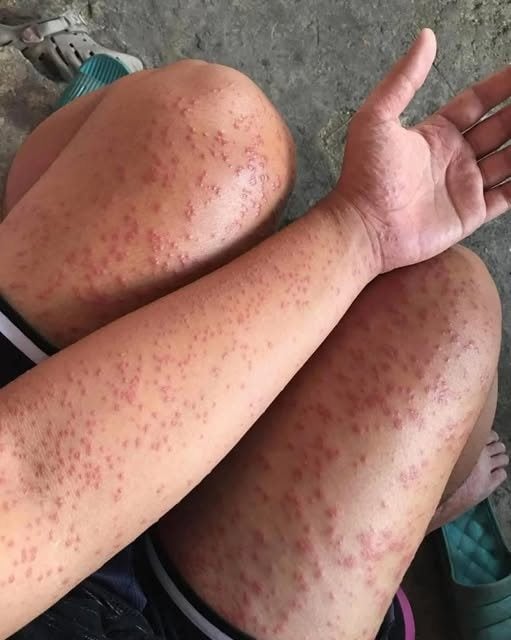
Spending a few nights away from home can be refreshing, especially when visiting friends or staying in a familiar place from the past. However, sometimes these short stays can bring unexpected surprises, particularly when the environment has changed or hasn’t been used regularly for a long time. One such experience involves noticing unusual bumps on the skin after sleeping in an older apartment, which can be both uncomfortable and concerning.
After staying for several days in a friend’s old apartment, subtle changes began appearing on the skin. Small raised areas showed up unexpectedly, often noticed first thing in the morning. At the beginning, it was easy to dismiss them as something minor, such as insect bites from being outdoors or a mild reaction to something new. But over time, the timing and appearance of these bumps raised questions. They appeared overnight, sometimes grouped close together, and caused persistent itching that was difficult to ignore.
What made the situation puzzling was the lack of obvious lifestyle changes. There had been no switch in personal care products, no unfamiliar foods, and no changes in daily routine. Because of this, attention naturally shifted away from personal habits and toward the surroundings themselves. This is a common realization for many people who develop unexplained skin irritation after staying in older or less frequently used living spaces.
Why Older or Long-Unused Apartments Can Affect the Skin
Older apartments often come with unique environmental factors that aren’t immediately noticeable. Over time, buildings can accumulate dust, moisture, and microscopic irritants that remain hidden within walls, carpets, furniture, and ventilation systems. When a space hasn’t been occupied for a while, these elements can become more concentrated.
One possible factor is insects. Certain insects prefer dark, undisturbed environments and can remain unnoticed until people begin sleeping in the space again. Because they are most active at night, their presence may only become apparent after waking up with new marks on the skin. These marks often appear on exposed areas such as arms, legs, neck, or face, which can make them especially noticeable.
In addition to insects, environmental allergens are another common issue in older apartments. Dust mites, mold spores, and pollen can build up over time, particularly in places with poor ventilation or humidity control. When someone sensitive to these allergens enters the space, the skin can react in ways that resemble bites or rashes.
How Skin Reactions Can Develop Overnight
One of the most confusing aspects of these skin changes is how suddenly they appear. Going to sleep with clear skin and waking up with noticeable bumps can feel alarming. This happens because the body often reacts to irritants while at rest. During sleep, the immune system continues working, and inflammation can become more visible by morning.
Insects tend to bite during the night when people are still and unaware, which explains why marks may not be felt right away. Similarly, allergens in bedding, mattresses, or pillows can come into prolonged contact with the skin during sleep, increasing the chance of irritation.
Clusters of bumps are another clue that the cause may be environmental rather than random. When marks appear close together or in a loose pattern, it suggests repeated exposure to the same irritant over a short period of time. While this doesn’t automatically indicate a serious issue, it does point toward the surroundings as a likely source.
Why Itching and Persistence Matter
Itching is one of the most common symptoms associated with skin reactions. While mild itching can occur with many harmless conditions, persistent discomfort is often what prompts people to look more closely at what’s happening. Some bumps may fade within a day, while others remain visible longer, especially if they are irritated by scratching.
Scratching can make skin reactions worse by increasing inflammation and slowing the healing process. It can also lead to secondary issues if the skin barrier becomes damaged. For this reason, health professionals generally recommend gentle care, such as washing with mild soap, keeping the area clean, and avoiding excessive touching.
The duration of the bumps can vary depending on the cause and individual sensitivity. Some people’s skin recovers quickly once the irritant is removed, while others may take longer to return to normal. Monitoring changes over time is often more helpful than focusing on how the skin looks in a single moment.
Environmental Triggers Commonly Found Indoors
Indoor environments contain many elements that can affect skin health, even when they aren’t visible. Carpets, upholstered furniture, and mattresses can trap particles for years. Old cleaning products, pet dander, and dust can linger long after their original source is gone.
In older buildings, moisture problems are another concern. Areas with poor airflow, such as basements or bathrooms, can develop mold growth that isn’t always obvious. Even small amounts of mold can release spores into the air, which may cause reactions in sensitive individuals.
Chemical residues are another potential trigger. Older apartments may have been cleaned or treated with products that are no longer used today. These substances can remain embedded in surfaces and fabrics, releasing small amounts over time.
Why Some People React More Than Others
Not everyone who stays in an older apartment will experience skin irritation. Sensitivity varies widely from person to person. Factors such as genetics, existing allergies, and overall skin health can influence how the body responds to environmental triggers.
People with sensitive skin may notice reactions more quickly, while others may not react at all. Stress, fatigue, and changes in sleep patterns can also affect the immune system, making the skin more reactive than usual.
This variation can make it difficult to pinpoint the exact cause of skin changes. What affects one person strongly may have little impact on someone else staying in the same space.
Steps to Reduce Skin Issues After Staying Elsewhere
When unexplained skin bumps appear after staying in a different environment, there are several practical steps that can help reduce discomfort and prevent ongoing issues. Washing clothes worn during the stay in warm water can help remove potential irritants. Showering soon after returning home can also help clear the skin of allergens or residues.
Inspecting sleeping areas is another useful precaution. Checking mattresses, sheets, and pillows for signs of wear or contamination can provide valuable information. Using protective mattress covers or bringing personal bedding when staying elsewhere may help reduce exposure.
Keeping personal items separate from unfamiliar surfaces can also be helpful. For example, placing luggage on hard floors rather than beds or upholstered furniture may limit contact with hidden irritants.
When to Pay Closer Attention
In most cases, skin bumps caused by environmental exposure are temporary and improve once the trigger is removed. However, paying attention to changes is important. If bumps continue to appear even after leaving the environment, or if they worsen instead of improving, it may be a sign that further evaluation is needed.
Other signs to monitor include increased redness, warmth, swelling, or discomfort that interferes with daily activities. These changes don’t automatically mean something serious, but they do suggest that the skin is under stress and may need additional care.
Keeping a simple record of when bumps appear and how long they last can help identify patterns. This information can be useful if professional advice is needed later.
The Role of Prevention and Awareness
Experiences like these highlight the importance of being aware of environmental health, especially when staying in unfamiliar places. Older apartments can be charming and full of history, but they may also require extra attention to cleanliness and maintenance.
Simple preventive habits, such as airing out rooms, washing bedding regularly, and keeping sleeping areas clean, can make a significant difference. Being mindful of how the body responds to new environments allows for early action and reduces the chance of prolonged discomfort.
Understanding Skin as an Early Warning System
The skin is one of the body’s most sensitive organs and often reacts quickly to changes in the environment. While unexplained bumps can be frustrating, they also serve as signals that something around us may need attention.
Rather than ignoring these signs, viewing them as helpful feedback can lead to better decisions about living spaces and personal care. Addressing environmental factors early can prevent repeated exposure and improve overall comfort.
Final Thoughts
Waking up with unexpected skin bumps after staying in an older apartment can be unsettling, especially when the cause isn’t immediately clear. However, these experiences are more common than many people realize and are often linked to environmental factors rather than personal habits.
By understanding how surroundings can affect skin health, taking simple preventive steps, and paying attention to changes over time, it’s possible to manage these situations calmly and effectively. While most skin reactions of this kind are temporary, they are a useful reminder that our environment plays a powerful role in how we feel—sometimes in ways we only notice after a good night’s sleep.
 admin
admin