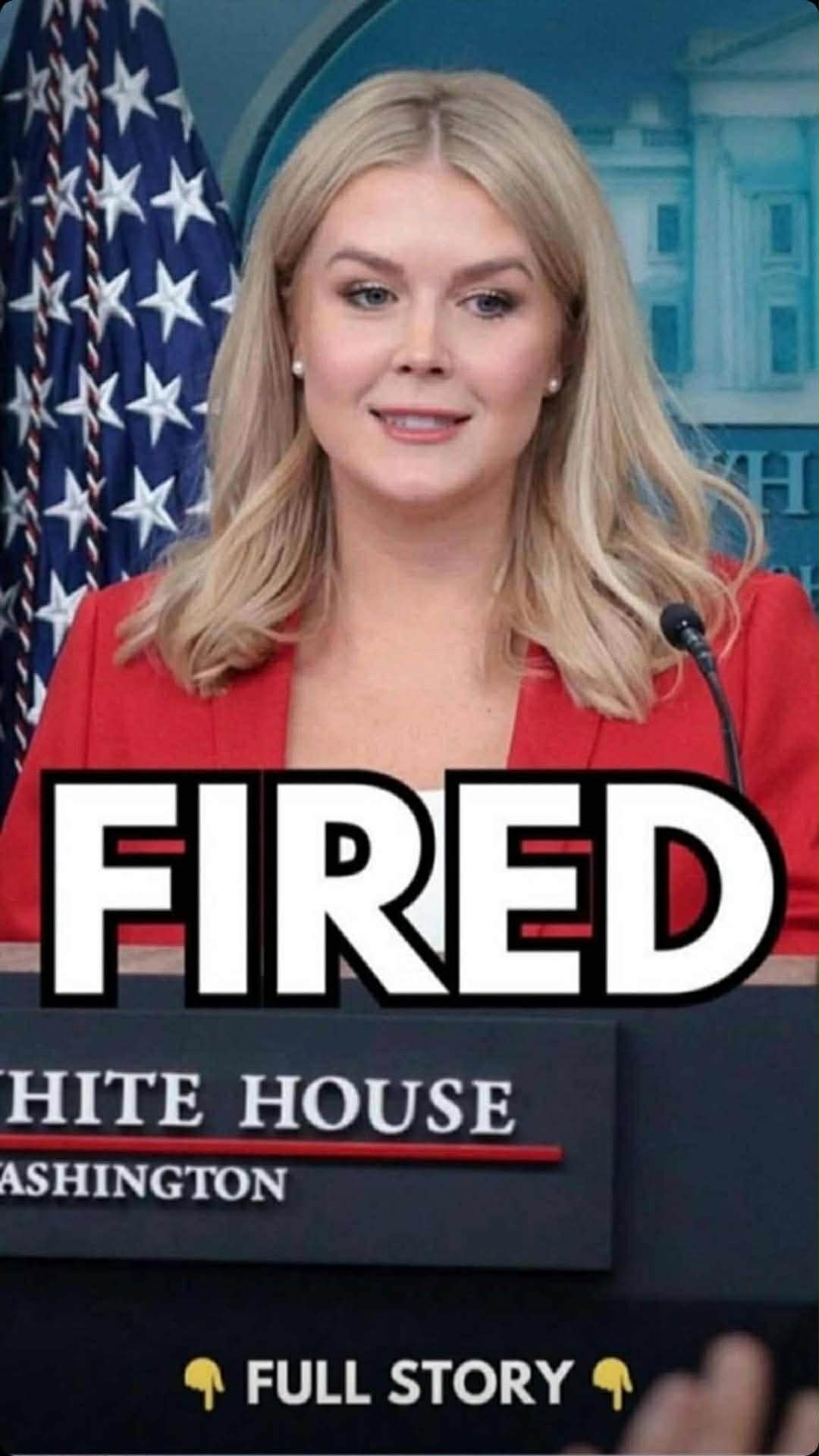
The sudden departure of Cameron Hamilton, the acting administrator of the Federal Emergency Management Agency (FEMA), has drawn attention to growing internal tensions and political pressure within the agency. Hamilton’s exit came on May 7, just hours before he was scheduled to testify before Congress — a moment that highlighted the fragile state of leadership at FEMA.
According to sources familiar with the situation, Hamilton began his day by packing up his office, fully expecting that he would be dismissed before the end of the morning. Officials from the Department of Homeland Security (DHS), which oversees FEMA, had reportedly instructed security personnel to revoke his building credentials and prepare to escort him out. The move suggested that senior leadership had already decided his fate before he had the opportunity to speak publicly.
The situation quickly escalated behind the scenes. FEMA officials pushed back strongly against the idea of blocking Hamilton’s testimony, warning that canceling his appearance before Congress would send a damaging message. At a time when FEMA faces increasing scrutiny over disaster preparedness and response, preventing the acting administrator from testifying could have raised serious concerns about instability and transparency within the agency.
After internal debate, Hamilton was ultimately allowed to proceed to Capitol Hill and deliver his testimony. However, the decision did little to change the outcome. His removal was already in motion, and his appearance before lawmakers became a final public chapter in a leadership tenure marked by internal clashes and mounting pressure.
Hamilton’s firing underscores broader challenges within FEMA and DHS, where political considerations and internal disagreements often collide with the agency’s mission to respond effectively to national emergencies. For many observers, the episode raised troubling questions about leadership continuity, morale, and the influence of politics on emergency management.
As FEMA continues to operate under heightened public and congressional scrutiny, Hamilton’s exit serves as a reminder of how quickly leadership disputes can spill into the public eye — and how such moments can affect confidence in institutions tasked with protecting the public during crises.
 admin
admin