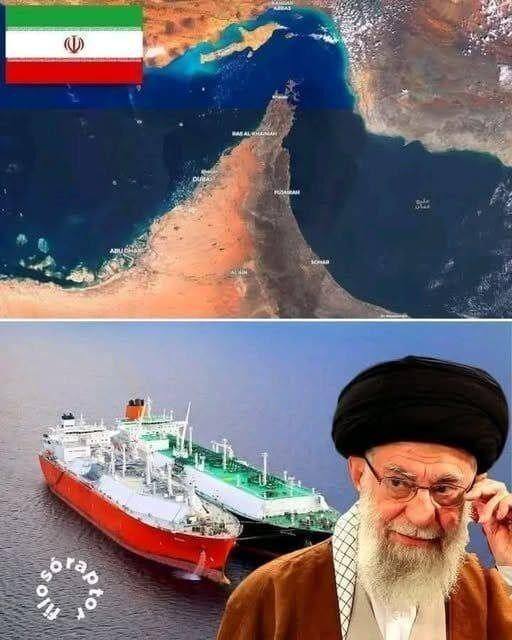

On January 26, 2026, reports surfaced indicating that Iran’s parliament has taken steps toward the potential closure of a highly strategic maritime route. This development has generated significant concern across international diplomatic channels, financial markets, and global shipping networks. The location in question is not merely symbolic; it is one of the world’s most strategically critical waterways. Any disruption here could reverberate far beyond the immediate region, affecting international trade, energy distribution, and global economic stability.
The maritime passage under consideration is vital for the transportation of oil and natural gas, carrying a substantial proportion of the world’s energy supply. The very notion of its closure has sent waves of caution across markets and governments alike, as it represents a potential threat to supply chains, energy prices, and broader economic equilibrium. Analysts have cautioned that if the route were to be completely shut, the repercussions would extend far beyond neighboring nations, potentially destabilizing global energy markets within a matter of days.
While the parliamentary approval in Tehran does not immediately equate to an operational shutdown, the move is widely interpreted as a strategic signal. By taking formal steps at the legislative level, Iranian authorities appear to be asserting leverage on the international stage. This action underscores the connection between regional power structures and global energy security, highlighting how geopolitical developments in one area can have cascading effects worldwide. The timing is particularly sensitive, given ongoing regional conflicts, heightened sanctions pressure, and diplomatic tensions that have already strained international relations.
Global stakeholders are closely monitoring the situation. Any restrictions imposed on this maritime corridor could prompt rapid responses from major powers, including diplomatic protests and potential military maneuvers. Historical incidents have demonstrated how quickly tensions can escalate when critical shipping lanes face threats. Even short-term interruptions have, in the past, led to sudden spikes in oil prices and an increased naval presence in adjacent waters, illustrating the high stakes involved.
Within Iran, the parliamentary move is framed by proponents as an assertion of sovereignty and a defensive maneuver. Supporters argue that it is a legitimate exercise of national authority in a geopolitically sensitive context. Conversely, critics caution that such actions carry significant risks, including potential retaliatory measures from other nations and substantial economic consequences domestically. The parliamentary decision is thus seen as part of a broader strategy, wherein geographic leverage is employed as a tool to project strength amid external pressures.
For the rest of the world, the key concerns revolve around energy security, economic stability, and predictability. Global markets respond not only to actual events but also to perceived intentions. In this instance, the signaling effect of Iran’s parliamentary decision alone has triggered heightened alertness among governments, investors, and consumers. The uncertainty surrounding whether the closure will materialize or remain a diplomatic warning has already influenced market behavior and international strategic calculations.
This episode highlights the fragility of regional power balances and the interdependence of global trade networks. Energy transit routes such as this one are critical lifelines for both regional and global economies. Any disruption—real or perceived—can produce rapid ripple effects, affecting oil prices, shipping schedules, and international relations. The broader implication is clear: in today’s interconnected world, the actions of a single state in a geopolitically sensitive region can have consequences that extend far beyond its borders.
Iran’s signaling move thus serves as a reminder of the complex interplay between regional politics, energy markets, and global economic stability. It underscores the importance of monitoring geopolitical developments with an understanding of both immediate and far-reaching implications. Whether the situation evolves into an actual closure or remains a strategic message, the episode reinforces the reality that energy security and trade stability are deeply intertwined with regional power dynamics.
The international community’s response will likely shape the next phase of developments. Diplomatic negotiations, economic sanctions, and security deployments could all be influenced by Tehran’s decision. Past experiences suggest that even tentative actions in strategic maritime areas require careful coordination to avoid unintended escalations. As global observers continue to assess the situation, the potential for significant economic and political repercussions remains high.
In conclusion, Iran’s parliamentary move toward a potential maritime closure represents more than a domestic policy decision. It is a calculated geopolitical signal that emphasizes the intersection of regional authority and global energy security. For policymakers, investors, and the public, the situation exemplifies the delicate balance required to maintain stability in a world where critical trade routes are vulnerable to disruption. While the ultimate outcome remains uncertain, the message is already evident: strategic decisions in key regions can influence markets, international relations, and economic stability far beyond their immediate geography.
 admin
admin