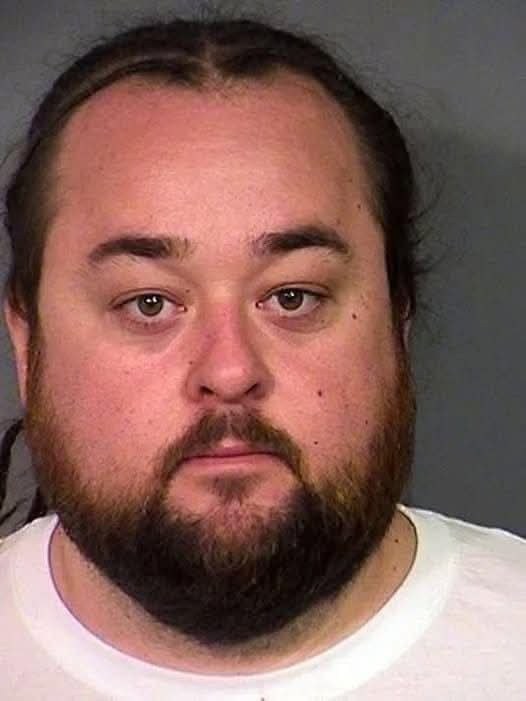
For many years, Austin Russell, better known to the public as “Chumlee,” was recognized as the heart and soul of comic relief on the History Channel’s long-running reality series, Pawn Stars. Within the bustling, treasure-laden walls of Las Vegas’ Gold & Silver Pawn Shop, Chumlee carved out a persona that was both endearing and endlessly entertaining. Fans adored him for his ability to uncover hidden value in seemingly ordinary objects, yet he was equally known as the butt of the playful jokes directed at him by his co-star Rick Harrison. The dynamic between the two provided a consistent thread of humor and levity throughout the series, earning Chumlee a devoted following who saw him as the lovable underdog amidst the chaos of high-stakes pawn negotiations.
However, the laughter and lighthearted exchanges of the pawn shop are no longer the center of Chumlee’s life. The cameras have stopped rolling on the scripted interactions that made him a household name, and instead, he finds himself at the center of a serious legal ordeal, the likes of which no television producer could have imagined. Unlike the typical transactions in which he dealt with coins, collectibles, and memorabilia, the stakes of this latest episode are profoundly personal, with the “value” of the outcome measured not in dollars but in years of freedom and personal integrity.
Chumlee’s world changed dramatically following a police operation that resulted in a large-scale raid of his residence. Authorities reportedly discovered an assortment of weapons and controlled substances, prompting an immediate legal response. In the aftermath, prosecutors presented a plea deal that simultaneously offers a potential lifeline and embodies significant risk. According to the terms under discussion, Chumlee would agree to plead guilty to a charge of attempted possession of a controlled substance. In exchange, he would relinquish the seized items and commit to a structured three-year period of probation that includes mandatory court-supervised treatment. The more severe felony charges, which carry the possibility of a lengthy prison sentence, would be temporarily suspended—though not dismissed.
On first examination, the plea arrangement may appear to demonstrate leniency from the Nevada legal system. For a public figure whose actions are under constant scrutiny, an opportunity for rehabilitation in lieu of incarceration might seem like an unexpected stroke of fortune. Yet, a closer analysis reveals the inherent precariousness of this agreement. Chumlee’s probationary period will be tightly monitored, with strict conditions that must be adhered to without exception. Any failure to comply, whether through a positive drug test, minor legal infraction, or any form of noncompliance, could activate the “slam-back” clause embedded within the plea deal. This clause would reinstate the suspended felony charges, carrying a potential prison sentence of up to five years, thereby transforming Chumlee’s life almost overnight from relative freedom to confinement.
This scenario underscores the high stakes involved for an individual whose public persona was built on the notion of second chances and resilience. In the world of pawn, the worth of an object is determined by its provenance and condition; similarly, Chumlee now faces an evaluation of his own personal history and must determine what condition he wants his future to take. Successfully completing the three-year probation period without any violations could result in the eventual dismissal of all charges, leaving only a permanent reminder of the incident as a cautionary tale. In essence, his ability to maintain discipline and compliance throughout this period is tantamount to safeguarding his legacy and personal freedom.
Beyond the legal ramifications, this situation provides insight into the complex realities faced by reality television personalities. Viewers who enjoyed the glamour and excitement of Las Vegas pawn shop negotiations rarely witness the personal struggles that often accompany fame. Addiction, legal complications, and environmental pressures are realities that remain largely hidden behind the televised spectacle. For Chumlee, this plea deal represents more than a legal strategy; it is a mandatory intervention requiring a shift in lifestyle and behavior. The court-ordered treatment is designed to address the root causes that contributed to the events leading to the 2016 raid, compelling Chumlee to adopt a level of discipline and accountability that contrasts sharply with the carefree image fans have long associated with him.
As Chumlee prepares to enter a guilty plea, the “Chumlee” brand itself faces a critical juncture. The narrative surrounding his public image could pivot dramatically depending on the outcome of the legal proceedings. Will he be remembered as a cautionary example of a public figure whose personal choices imperiled his freedom, or will he emerge as a success story, a testament to resilience and redemption? Within the unforgiving landscape of the Las Vegas judicial system, there is little room for error. The plea deal functions as a high-stakes test, a three-year probationary period that demands unwavering commitment. Success in this endeavor would signify the acquisition of the most valuable asset Chumlee has ever pursued: a second chance at life, public reputation, and personal stability.
The implications of this legal saga extend beyond the immediate circumstances of one individual. They illustrate the broader challenges faced by those in the public eye, particularly in industries that blend entertainment with reality. Fame often magnifies missteps, subjecting personal decisions to intense scrutiny while simultaneously limiting opportunities for privacy or rehabilitation without public judgment. Chumlee’s situation emphasizes how critical it is for reality television stars to navigate personal behavior carefully, as lapses can have consequences that extend far beyond the cameras and scripted storylines that made them famous.
In addition, the legal framework governing Chumlee’s case highlights the nuances of Nevada’s judicial system. Plea agreements such as this one are structured to balance leniency with accountability, offering a path to rehabilitation while maintaining strict enforcement mechanisms. The “slam-back” provision exemplifies this approach, providing both a deterrent against probation violations and a safeguard ensuring that serious charges are not dismissed lightly. For Chumlee, understanding and adhering to these conditions is essential, as even minor deviations could result in immediate and severe consequences. This system underscores the tension between mercy and enforcement, illustrating how the legal process can serve both rehabilitative and punitive functions simultaneously.
Chumlee’s journey also serves as a reflection on personal growth and transformation. The demands of his probationary period, coupled with mandated treatment, require a reevaluation of lifestyle choices, habits, and priorities. For a figure known primarily for his humorous, easygoing persona, this process represents a profound test of character and resilience. The successful navigation of these challenges could redefine his public image, positioning him as a figure who overcame personal adversity through discipline, accountability, and a commitment to change.
Austin “Chumlee” Russell is not just a television personality; he has become a symbol of the unexpected celebrity archetype in modern reality television. Unlike scripted actors or musicians, reality stars like Chumlee are celebrated for their relatability—their ability to reflect the everyday struggles and triumphs of ordinary people, albeit through the lens of entertainment. Fans connected with Chumlee because he was never perfect. He made mistakes, fumbled through negotiations, and often became the comic foil to the sharper, more experienced figures around him. Yet this very vulnerability contributed to his appeal. The audience could laugh with him, sympathize with his missteps, and cheer when he unearthed a hidden gem, transforming what might have seemed like an insignificant item into a moment of triumph.
This relatability is precisely what makes Chumlee’s current legal troubles resonate with the public. His arrest and the subsequent plea deal are not just a private matter; they are events that unfold under the scrutiny of millions of viewers who have followed his career for over a decade. The stakes are therefore magnified, as public perception now intertwines with legal outcomes. In essence, Chumlee’s case serves as a lens through which broader societal issues—such as drug use, addiction, and the pressures of fame—are examined. The way he navigates this legal challenge may well redefine his cultural legacy, shaping not only how fans view him but also how future reality television stars consider the intersection of personal life and public image.The legal framework of Chumlee’s plea deal also deserves careful consideration. In Nevada, plea bargains are often employed to resolve criminal cases efficiently, allowing defendants the opportunity to avoid the uncertainty of a trial while simultaneously offering the state a form of accountability. In Chumlee’s case, the offer to plead guilty to attempted possession of a controlled substance in exchange for probation and treatment represents a strategic compromise. While it spares him from immediate incarceration, it comes with strict conditions and potential consequences that carry long-term implications. The “slam-back” clause, which threatens reinstatement of the more severe felony charges for any probation violations, functions as a stringent safeguard designed to enforce compliance and ensure the integrity of the justice system. For Chumlee, understanding the nuances of this legal mechanism is critical; success requires not only abstinence from drugs and adherence to legal requirements but also sustained personal discipline and accountability over the full three-year period.
Beyond the legal technicalities, this situation highlights the often-overlooked pressures of reality television. Many fans assume that life on a popular show is filled with glitz, glamour, and easy financial rewards. In reality, the production of such shows imposes unique stresses on participants. The public scrutiny, erratic schedules, and exposure to both wealth and temptation can exacerbate existing vulnerabilities or create new challenges. For Chumlee, the juxtaposition of a carefree on-screen persona with real-world legal obligations underscores the difficulty of maintaining balance. The court-mandated treatment program represents an institutional intervention aimed at fostering long-term stability, requiring him to cultivate habits and behaviors that may not have been necessary or visible during his television career.
Chumlee’s situation also offers a cautionary tale about the intersection of fame and personal accountability. The path from minor missteps to major legal consequences can be surprisingly short, particularly when one’s actions are amplified by public attention. While audiences often celebrate redemption stories, the reality is that public scrutiny can intensify personal pressure, making mistakes both more visible and more consequential. This dynamic places reality stars in a particularly challenging position: they must navigate not only the personal and legal ramifications of their actions but also the perceptions and judgments of a global audience. The outcome of Chumlee’s case may therefore serve as a template for other public figures, illustrating how legal consequences and personal discipline intersect with media representation.
At its core, Chumlee’s predicament is also a story about transformation. The plea deal requires a significant lifestyle shift, emphasizing structured accountability, sobriety, and self-reflection. This three-year probation period is more than a legal requirement; it is an opportunity for personal growth. In many ways, it mirrors the journey of rehabilitation experienced by individuals confronting addiction or legal difficulties outside of the public eye, yet it occurs under a unique spotlight. Successfully navigating this process could enhance Chumlee’s public image, transforming him from a figure of comic relief to a symbol of resilience, discipline, and redemption.
Furthermore, examining the broader context of celebrity legal challenges can provide perspective on Chumlee’s situation. Numerous public figures have faced similar crossroads, where personal missteps collide with the legal system and public expectation. The difference in outcomes often hinges on the ability to adapt, accept responsibility, and commit to change. In Chumlee’s case, the combination of probation, court-mandated treatment, and public visibility intensifies both the challenge and the potential reward. Completing this rigorous process without violation would not only secure his freedom but could also redefine his legacy, demonstrating the capacity for reinvention even in the face of serious adversity.
The story of Chumlee also resonates beyond entertainment, offering insight into how society interprets and reacts to celebrity misfortune. Public fascination with high-profile legal cases reflects a broader interest in justice, accountability, and morality. Chumlee’s journey allows observers to explore these themes in a relatable context: a familiar face navigating extraordinary circumstances. The lessons embedded in his experience—about personal responsibility, the consequences of choices, and the potential for rehabilitation—extend far beyond the pawn shop counter and into broader societal conversations about justice, accountability, and second chances.
 admin
admin