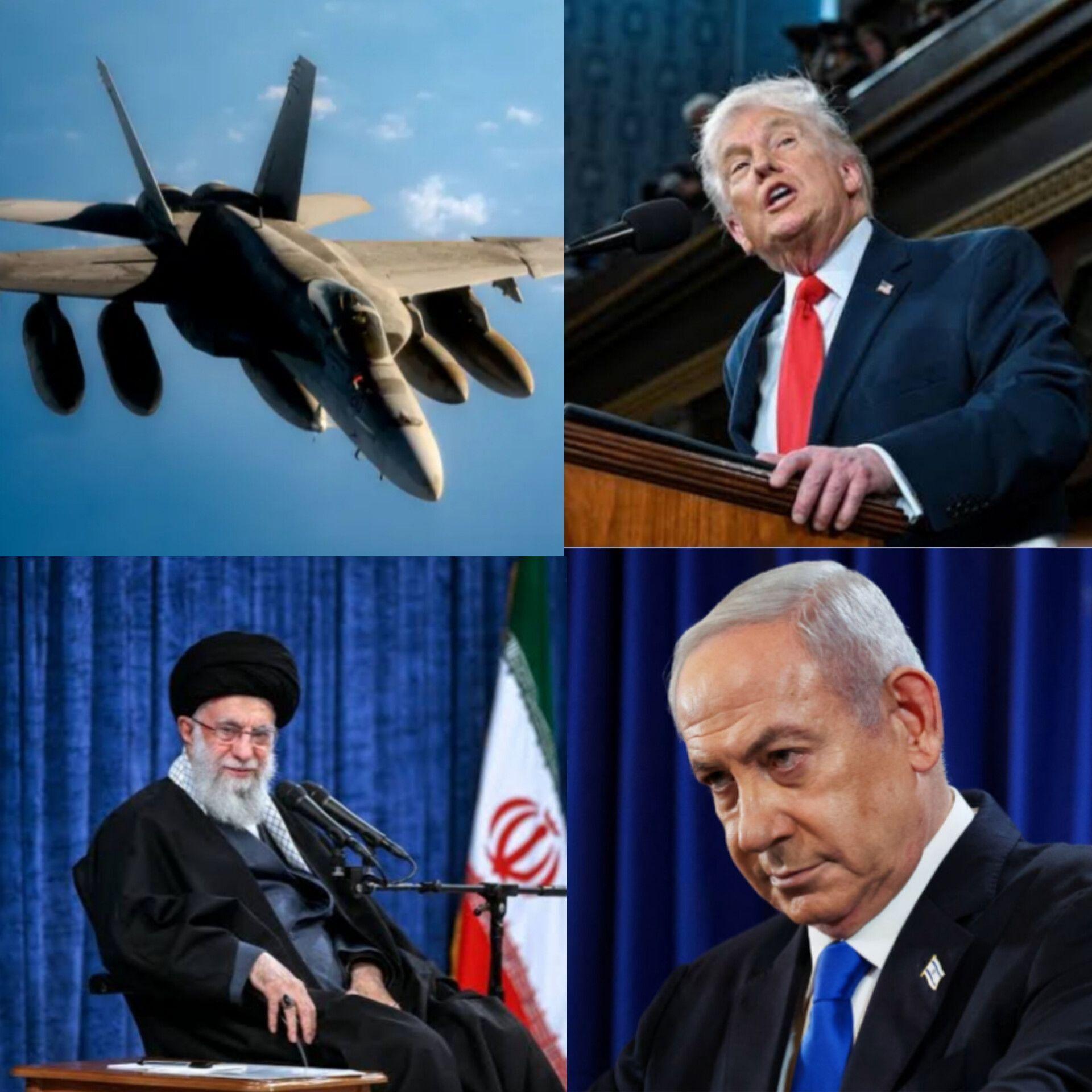
Recent developments in the Middle East have once again drawn global attention as coordinated military actions involving the United States and Israel reportedly targeted locations within Iran. These events mark a significant moment in an already complex geopolitical landscape, raising concerns about regional stability, diplomatic relations, and the potential for further escalation.
While official statements from involved parties frame the actions within the context of national security, international observers and policymakers are emphasizing the importance of restraint and dialogue. The situation remains fluid, and information continues to emerge from multiple sources.
This article provides a comprehensive, balanced, and professional overview of the reported developments, their background, and the broader implications for global affairs.
Background to the Current Situation
Tensions between Iran, Israel, and the United States have evolved over decades, shaped by disagreements over regional influence, security concerns, and nuclear policy.
Efforts to address these issues through diplomacy have seen periods of progress and setbacks. Negotiations regarding nuclear activities and regional security have often been accompanied by mutual distrust, contributing to a fragile balance in the region.
In recent months, the situation has been further complicated by heightened military readiness, increased political rhetoric, and ongoing concerns about strategic capabilities. These factors have contributed to an environment in which any significant development carries broader implications.
Overview of the Reported Military Action
According to multiple reports, coordinated operations were carried out targeting specific sites within Iran. Officials from Israel indicated that the actions were intended to address perceived security threats.
Authorities in the United States have not publicly disclosed all operational details but have emphasized that decisions were made based on strategic assessments. Reports suggest that the scope of the operation may have been broader than previous actions in the region, though independent verification is ongoing.
It is important to approach early reports with caution, as information during such events can evolve rapidly. Official confirmations and independent assessments are essential for a complete understanding of the situation.
Military Presence and Strategic Preparations
In the period leading up to the reported actions, the United States had increased its military presence in the Middle East. This included the deployment of naval assets, aircraft, and advanced defense systems.
Such measures are typically intended to enhance readiness and provide strategic flexibility. However, they can also signal heightened tensions and influence regional dynamics.
Military preparedness is often accompanied by diplomatic efforts. In this case, reports indicate that envoys were engaged in indirect discussions with Iran, focusing on issues such as nuclear development and missile programs.
Diplomatic Efforts and Challenges
Despite ongoing tensions, diplomatic engagement has remained a key component of international efforts to manage the situation. Dialogue between nations, whether direct or indirect, is often seen as essential in preventing escalation.
However, achieving consensus on complex issues such as nuclear policy and regional security can be challenging. Differences in priorities, perspectives, and trust levels can hinder progress.
The recent developments highlight the difficulty of balancing diplomatic initiatives with security considerations. While negotiations aim to reduce tensions, parallel military actions can complicate these efforts.
Regional and International Reactions
The reported actions have prompted reactions from countries across the region and beyond. Several nations have called for restraint, emphasizing the importance of avoiding further escalation.
Countries in the Middle East, particularly those with close economic and security ties to the region, are closely monitoring the situation. Stability in the region is critical for global energy markets, trade routes, and economic growth.
International organizations have also reiterated the need for adherence to international law and peaceful resolution of disputes. The emphasis on dialogue reflects a shared concern about the potential consequences of prolonged conflict.
Domestic Response in the United States
Within the United States, the reported actions have sparked discussion among policymakers. Some members of the United States Congress have raised questions about the decision-making process and the role of legislative oversight.
For example, Thomas Massie publicly expressed concerns regarding the authorization of military actions, highlighting the importance of constitutional processes.
Such discussions are a normal part of democratic governance, where decisions of significant consequence are subject to scrutiny and debate. They underscore the importance of transparency and accountability in policymaking.
Broader Implications for Global Security
Developments in the Middle East often have far-reaching implications for global security. The region plays a central role in international energy supply, and instability can affect markets worldwide.
Key considerations include:
The potential impact on global energy prices
The risk of broader regional involvement
The influence on international alliances and partnerships
The role of major powers in shaping outcomes
These factors contribute to the complexity of the situation and highlight the need for careful management.
The Role of Media and Information
In times of heightened tension, the role of media becomes particularly important. Accurate and responsible reporting helps ensure that the public receives reliable information.
However, the rapid pace of news dissemination can sometimes lead to incomplete or evolving narratives. Readers are encouraged to rely on credible sources and remain cautious about unverified claims.
Balanced reporting that provides context and avoids sensationalism is essential in fostering informed understanding.
The Importance of De-escalation
Given the potential risks associated with prolonged tensions, many observers emphasize the importance of de-escalation. This involves reducing military activity, engaging in dialogue, and building confidence between parties.
Historical examples demonstrate that even in challenging circumstances, diplomatic efforts can lead to positive outcomes. While the path to resolution may be complex, continued engagement remains a key factor.
Looking Ahead
The situation remains dynamic, and future developments will depend on a range of factors, including diplomatic efforts, strategic decisions, and international responses.
Key areas to watch include:
Ongoing diplomatic initiatives
Statements from involved governments
Reactions from regional and global stakeholders
Economic and market responses
These elements will help shape the trajectory of events in the coming days and weeks.
Conclusion
The reported coordinated actions involving the United States and Israel in Iran represent a significant development in international relations. While officials have framed the actions within the context of security, the broader implications extend to regional stability and global dynamics.
As the situation continues to unfold, the emphasis remains on careful analysis, responsible reporting, and the pursuit of peaceful solutions. The balance between security and diplomacy will be critical in determining the outcome.
Ultimately, the events serve as a reminder of the interconnected nature of global affairs and the importance of cooperation in addressing complex challenges.
 admin
admin