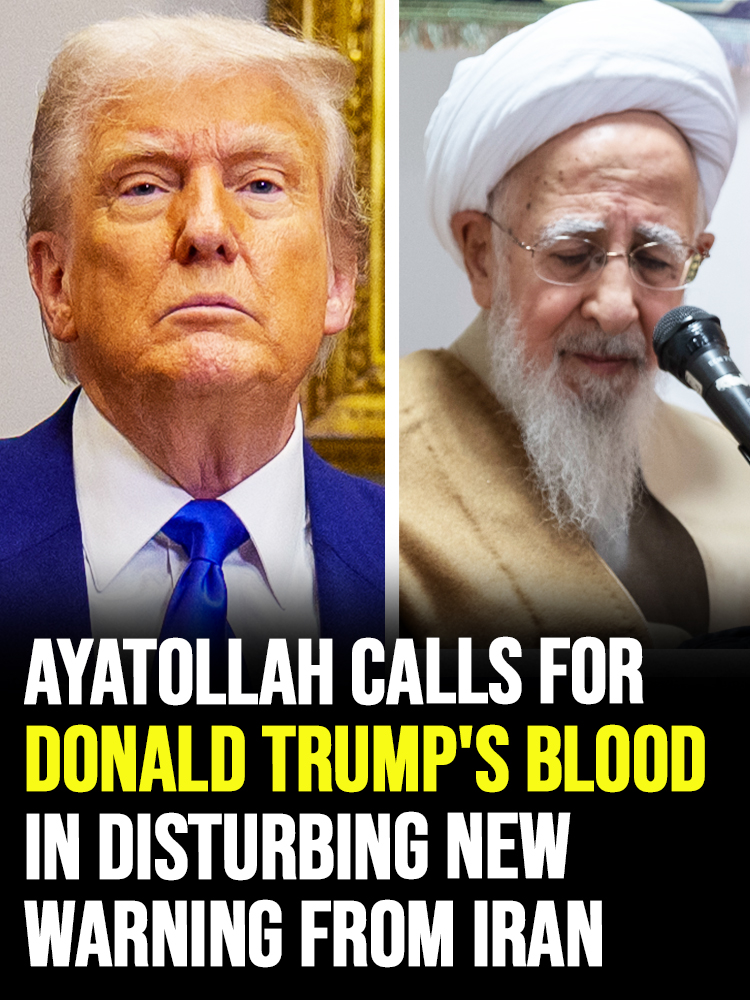
The ocean turned into a graveyard in seconds. Metal screamed, fire bloomed, and more than eighty men vanished beneath black water. Now, from Tehran’s mosques to its war rooms, a new cry rises: blood for blood. An Ayatollah names Donald Trump himself, turning strategy into vendetta, and the thin line between shadow war and total catastro
Beneath the furious statements and televised threats is a quieter, more devastating reality: families waiting for bodies that will never be recovered, sailors’ names read aloud in mosques, and a society steeling itself for another cycle of mourning. The sinking of the Dena is already being woven into Iran’s narrative of martyrdom and resistance, while in Washington it is defended as a grim but justified move in a long, hidden war. That clash of stories doesn’t just shape public opinion; it locks leaders into paths that are harder to abandon with each passing day.
By turning Donald Trump into a named target, Iran’s rhetoric crosses a threshold that cannot easily be walked back. Personalizing the conflict sharpens emotions on both sides, inviting freelance actors, rogue plots, and miscalculations that no one fully controls. What began as deniable operations now flirts with open confrontation, and the space for quiet compromise shrinks as the taste for revenge grows.
 admin
admin