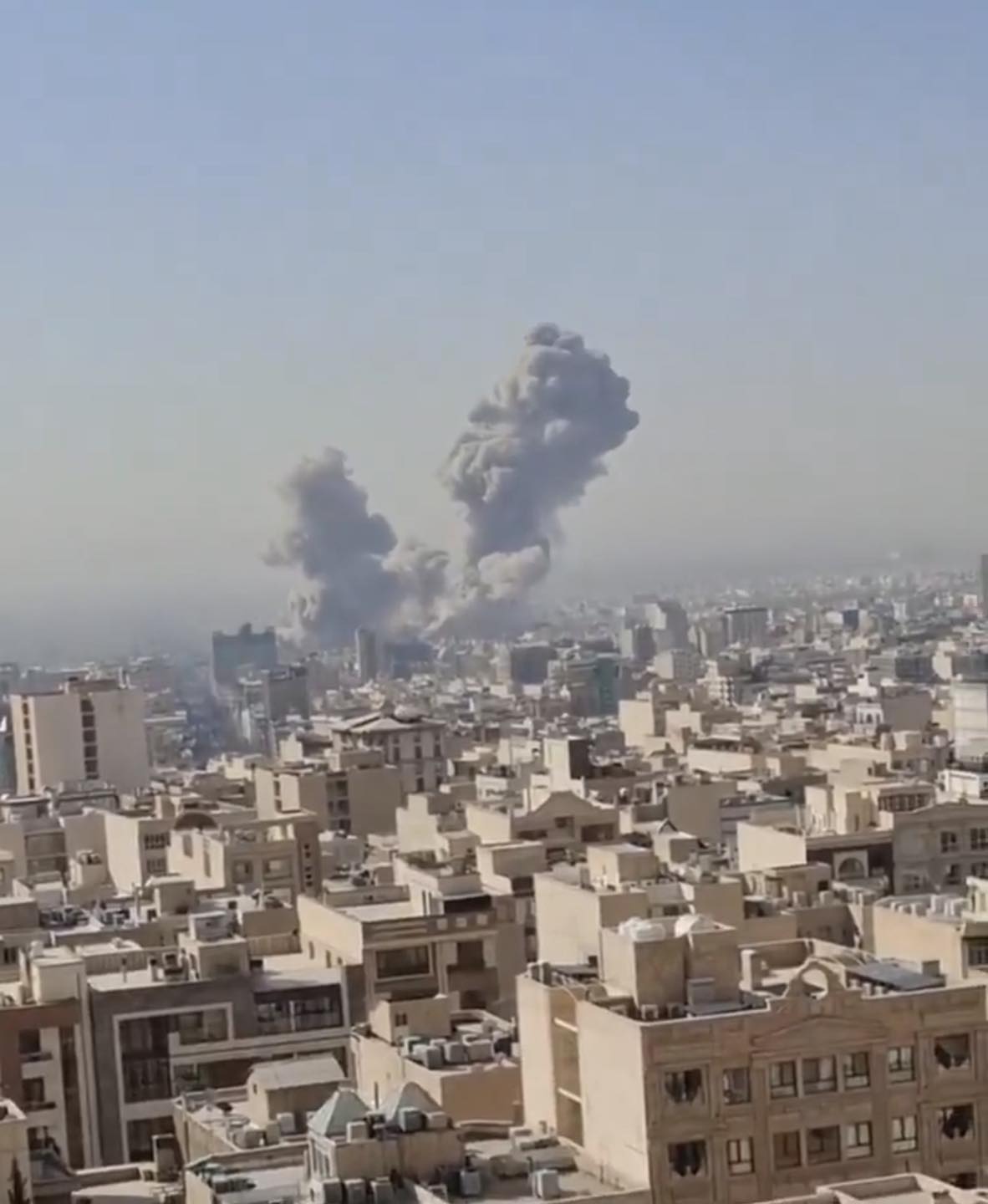

In a dramatic escalation that has sent shockwaves across the international community, the United States and Israel have carried out coordinated military strikes against targets in Iran. Early reports indicate that explosions were heard in multiple areas, including parts of Tehran, as tensions in the region rapidly intensified.
According to official statements, the operation was conducted as a joint effort aimed at targeting strategic military infrastructure. While full details are still emerging, sources suggest that missile facilities, command centers, and other security-related sites were among the intended objectives. Both Washington and Jerusalem described the action as necessary for regional security, framing it as a preventive measure against what they call escalating threats.
U.S. leadership stated that the strikes were carefully planned and executed with precision. Israeli officials echoed that message, emphasizing coordination and strategic alignment between the two allies. Military analysts note that such a joint operation represents one of the most significant direct confrontations involving Iran in recent years.
Iranian authorities have condemned the attack, calling it an act of aggression and vowing that their country will respond. State media in Iran reported air defense systems being activated and confirmed damage in certain locations, though the full extent remains unclear. Officials warned that retaliation could follow, raising concerns about a broader regional conflict.
The situation has already triggered ripple effects throughout the Middle East. Neighboring countries are closely monitoring developments, and several governments have issued travel advisories or heightened security measures. Global markets reacted swiftly, with energy prices fluctuating amid fears of potential disruptions in oil supply routes.
Diplomatic reactions are pouring in from around the world. Some international leaders are urging restraint and immediate de-escalation, while others have expressed support for what they describe as a defensive action. The United Nations is expected to convene emergency discussions as global powers weigh in on the rapidly evolving situation.
Security experts warn that the coming days will be critical. Iran’s response — whether direct military retaliation, proxy involvement, or diplomatic maneuvering — will likely determine whether this remains a limited exchange or develops into a wider confrontation. The involvement of major powers further complicates the landscape, as alliances and regional rivalries intersect.
For civilians in affected areas, uncertainty remains the dominant reality. Airspace restrictions, heightened alert levels, and fears of additional strikes are creating anxiety across the region. Humanitarian organizations are also watching closely, preparing contingency plans should displacement or infrastructure damage increase.
This joint strike marks a defining moment in U.S.–Israel relations with Iran. While both allied governments insist the operation was targeted and strategic, the broader implications are still unfolding. History shows that conflicts in this region can shift quickly, with unpredictable consequences.
As the world watches closely, one thing is clear: the balance of tension in the Middle East has shifted significantly. Whether this event becomes a brief but intense chapter or the beginning of a larger conflict will depend on the decisions made in the hours and days ahead.
 admin
admin