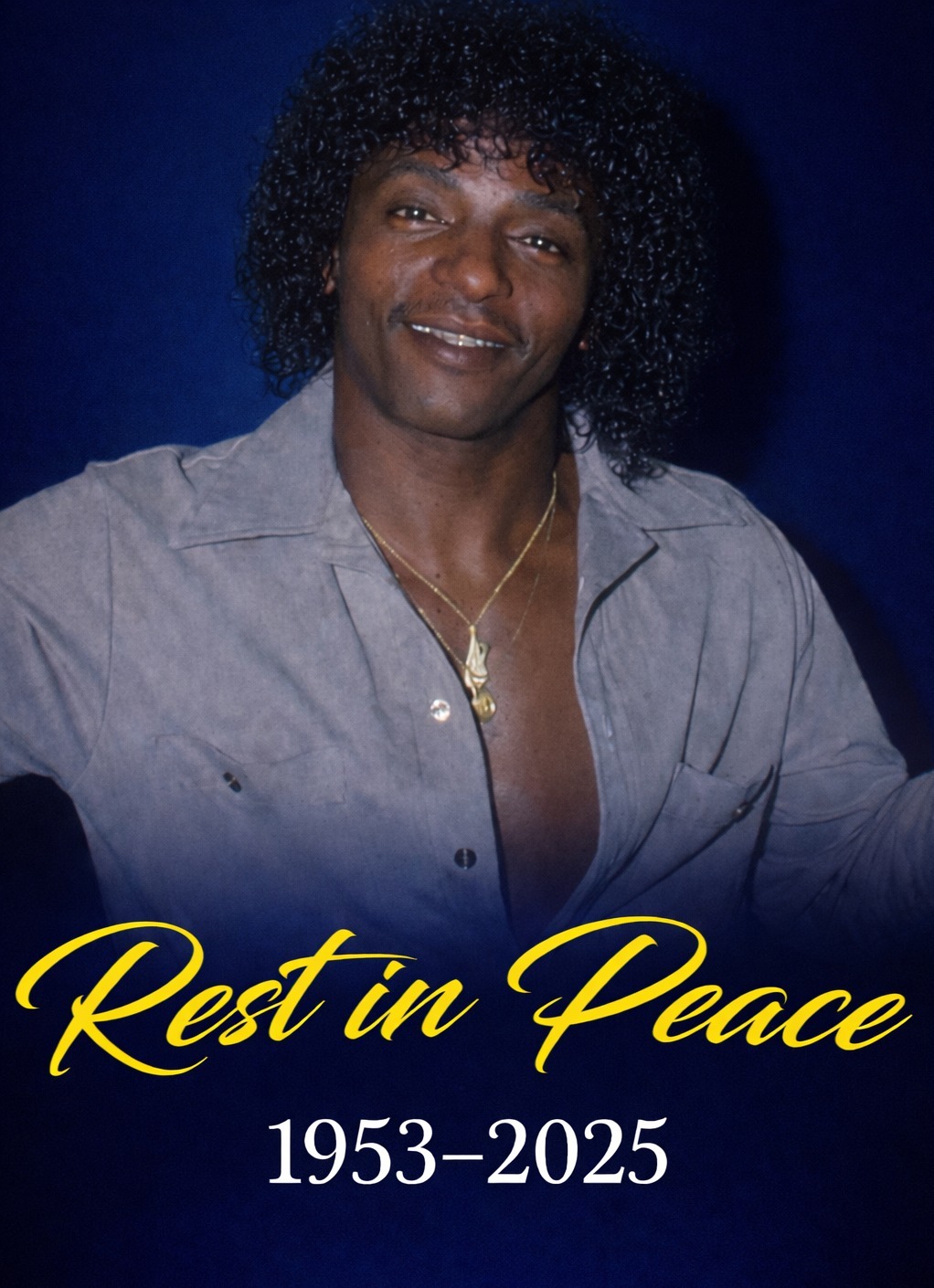
The news arrived not with shockwaves, but with a quiet ache.
A voice that once filled dance floors, poured through car radios, and echoed across family living rooms has gone still. For so many, it doesn’t feel real. Fans have been pressing play again and again, returning to familiar melodies, asking the same tender question: how do you say goodbye to a sound that shaped your memories?
The passing of Carl Carlton at 72 feels less like a sudden ending and more like the soft dimming of a light that has glowed warmly for decades. His music never demanded attention with spectacle. It simply lived — vibrant, joyful, and timeless.
From Detroit’s soul-soaked streets to international stages, Carlton carried something rare in his voice: celebration without arrogance, passion without excess. When “Everlasting Love” played, people didn’t just listen — they moved. Weddings erupted into laughter and spinning dresses. Birthdays found their rhythm. Long night drives felt less lonely.
And then there was “She’s a Bad Mama Jama.” It wasn’t just a hit; it was a moment. A groove that refused to age. A bassline that still feels alive the second it begins. These songs weren’t background noise. They became stitched into the fabric of ordinary lives — into first dances, roller rinks, cookouts, and quiet kitchen singalongs.
That’s the thing about artists like Carlton. They don’t just top charts. They build soundtracks to people’s personal histories.
Behind the spotlight stood a man who chose steady craft over chaos. In an industry often driven by headlines and theatrics, he seemed content to let the music speak. There were no loud controversies, no dramatic reinventions — just a consistent devotion to the art of song. He understood melody. He respected the groove. He trusted that sincerity would travel farther than spectacle.
Even after suffering a stroke in 2019, his legacy didn’t fade. In fact, something beautiful happened. A new generation rediscovered his recordings. Vinyl collectors dusted off old pressings. Streaming playlists quietly revived his classics. Social media clips carried his hooks into timelines far from the era in which they were born.
It was proof of something powerful: real music doesn’t expire.
His death on December 14, 2025, closed a chapter in the physical sense. But the story — the true story — continues every time someone taps “play.” Every time a DJ slides one of his tracks into a set. Every time a young listener asks, “Who sings this?” and begins a journey backward through decades of soul.
There’s a special kind of immortality reserved for voices like his. Not the loud kind. Not the kind that dominates headlines for months. But the steady kind. The kind that lives in memory. The kind that returns unexpectedly — in a grocery store aisle, at a summer barbecue, through an old speaker slightly crackling with age.
Grief for artists often feels strange. Many of us never met him. We never shook his hand. Yet his voice was present in some of our most intimate moments. That presence creates connection — quiet, but real.
And so, fans around the world are replaying the same songs. Smiling through tears. Letting nostalgia wash over them.
Because while a life may end, a melody rarely does.
Carl Carlton’s voice may no longer record new notes, but it still dances through the air whenever his music spins. He is still there — smiling through the speakers, urging us to sway, to celebrate, to remember.
Some lights dim.
But some never truly go out.
 admin
admin