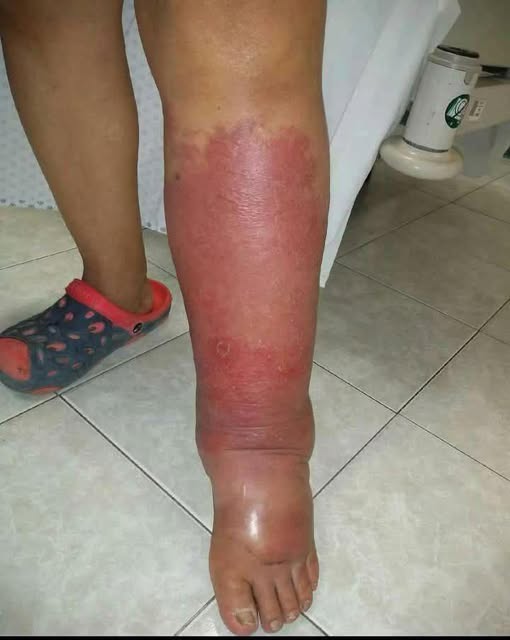
Swelling in the feet is something many people experience at some point in their lives. While it may appear harmless at first glance, swollen feet—medically referred to as peripheral edema—can reflect various underlying factors. Some causes are minor and temporary, while others may signal deeper health concerns that require medical attention. Because your feet play a vital role in mobility and balance, understanding why swelling occurs and how to respond to it is an important part of maintaining overall well-being.
Swollen feet occur when excess fluid collects in the tissues of the lower extremities. This fluid buildup can come from the body’s natural response to injury, inflammation, lifestyle habits, or medical conditions that impact circulation, organ function, or fluid balance. Although the experience can be uncomfortable, recognizing the possible triggers of foot swelling can help individuals make informed decisions about when to rest, when to make lifestyle adjustments, and when to seek professional guidance.
In this comprehensive guide, we will explore the different reasons swollen feet occur, discuss common contributing factors, outline strategies for reducing swelling, and explain what symptoms should prompt you to contact a healthcare provider. The goal is to help you better understand your body’s signals in a responsible, balanced, and medically appropriate way.
What Exactly Is Edema?
Edema is the accumulation of excess fluid in the body’s tissues. When this fluid gathers in the feet, ankles, or lower legs, it causes noticeable puffiness and enlargement. Sometimes the swelling is mild, and at other times it can become so pronounced that shoes feel tight or walking becomes difficult.
While edema can occur anywhere in the body, the feet and ankles are particularly vulnerable because of their position. Gravity pulls fluids downward, making the lower extremities a common site for swelling.
Edema may be temporary—caused by standing for too long, eating a salty meal, or minor injury—but it can also be a sign of imbalances within the cardiovascular system, kidneys, or liver. Because of this range of possible explanations, it is helpful to pay attention to any changes and how long swelling persists.
Common and Temporary Causes of Swollen Feet
Not all swelling signals disease. Many people experience puffy feet due to everyday activities, temporary conditions, or environmental influences. Understanding these reasons can help you make simple changes that often reduce swelling quickly.
1. Prolonged Sitting or Standing
Remaining in one position for a long time—whether sitting at a desk, driving for hours, or standing at work—can restrict normal blood flow. When circulation slows, fluid begins to pool in the feet and ankles. This is particularly common during travel or office work, and the swelling often improves once you move, stretch, or elevate your legs.
2. Warm Weather
3. Dietary Factors
A high-sodium diet can encourage the body to retain water. Processed foods, fast foods, and salty snacks are typical culprits. Drinking insufficient water may also contribute to swelling, as the body attempts to hold on to existing fluids when hydration levels drop.
4. Pregnancy-Related Swelling
Pregnancy naturally increases the amount of fluid in the body. Hormonal changes, pressure from the growing uterus, and reduced circulation to the legs all play a role in foot swelling. This typically becomes more noticeable in the third trimester. While normal in most cases, sudden or severe swelling during pregnancy should always be evaluated by a healthcare provider.
5. Medication Side Effects
Some medications can cause fluid retention, including certain blood pressure treatments, diabetes medications, steroids, and anti-inflammatory drugs. If swelling begins shortly after starting a new medication, it is important to consult a healthcare professional to discuss whether the medication may be contributing.
Medical Conditions That May Contribute to Swollen Feet
While many causes of swelling are harmless or temporary, some forms of edema may be associated with more serious health conditions. Swelling alone does not confirm a diagnosis, but persistent, unexplained, or painful swelling is a reason to seek medical input.
1. Circulatory Problems
The circulatory system plays a key role in transporting blood and fluids throughout the body. If circulation weakens or becomes impaired, fluid can collect in the lower extremities.
- Poor circulation can occur from long periods of inactivity, but it may also stem from issues like varicose veins or chronic venous insufficiency.
- When veins struggle to push blood back toward the heart, fluids leak into surrounding tissues, causing swelling, heaviness, or aching in the legs and feet.
2. Heart Function and Fluid Retention
Conditions that affect the heart’s ability to pump blood efficiently may lead to swelling in the feet and ankles. When blood flow slows, pressure increases in the veins, causing fluid to accumulate in the tissues. Individuals with heart-related conditions often experience swelling on both sides rather than just one. Although swelling alone doesn’t indicate heart disease, it can be associated with it and therefore deserves medical evaluation if persistent.
3. Kidney-Related Conditions
The kidneys help regulate the body’s fluid and sodium balance. When they are not functioning optimally, excess sodium and water may accumulate, leading to swelling in the feet, ankles, or even around the eyes. Kidney-related swelling often develops gradually and may be accompanied by other symptoms that require professional assessment.
4. Liver Conditions
The liver contributes to the production of proteins that help maintain fluid balance. When liver function is compromised, these proteins may be reduced, allowing fluids to leak into body tissues. This may cause swelling in the abdomen as well as in the legs and feet. Like other organ-related causes, only a healthcare provider can determine the underlying issue through proper testing.
5. Injury or Inflammation
A twisted ankle, muscle strain, or bruising causes the body to send fluids and white blood cells to the area for healing, which results in swelling. Conditions like arthritis may also lead to inflammation in the joints of the feet, causing swelling, discomfort, and stiffness.
6. Infections
Infections in the feet, skin, or soft tissues can produce swelling, warmth, redness, and tenderness. People with reduced sensation in their feet—such as those with certain chronic conditions—should pay close attention to any unusual swelling or skin changes and seek prompt care.
7. Blood Clots
Swelling that occurs suddenly in one leg, especially if accompanied by pain or warmth, may be associated with a blood clot in a deep vein. This type of clot requires immediate medical attention because it can become dangerous if not treated quickly. While not all swelling indicates a clot, sudden one-sided swelling should always be evaluated by a professional.
Symptoms That Warrant Professional Attention
Although mild swelling can be managed at home, certain signs should prompt you to speak with a healthcare provider. You should seek medical guidance if you notice:
- Swelling that persists for days or worsens over time
- Swelling accompanied by pain, tenderness, or redness
- Difficulty breathing or chest discomfort (seek emergency care)
- One-sided swelling, especially if sudden
- Swelling during pregnancy that appears rapidly or severely
- Any swelling that follows an injury and makes weight-bearing difficult
- Changes in skin color, temperature, or ulcers on the feet
These symptoms do not indicate a diagnosis on their own, but they do warrant professional evaluation to rule out conditions that may require treatment.
How Healthcare Professionals Diagnose the Cause
When swelling is persistent or unexplained, healthcare providers may use several methods to determine its cause. The approach varies depending on symptoms and medical history.
Common steps may include:
- Physical examination to look for tenderness, warmth, or visible changes
- Blood tests to check kidney, liver, and heart markers
- Imaging such as ultrasound, which can help detect blood flow issues or clots
- Review of medications to identify potential contributors
Only a medical professional can evaluate these results and provide an appropriate plan based on an individual’s specific situation.
Managing and Reducing Swollen Feet
Treatment for swollen feet depends entirely on the cause. However, many general strategies can help reduce everyday swelling or provide relief while waiting for a professional evaluation.
1. Elevate Your Feet
Raising your feet above heart level helps encourage fluid to move away from the lower extremities. Even short periods of elevation throughout the day can reduce puffiness.
2. Stay Active
Gentle movement helps promote circulation. Walking, stretching, and simple ankle rotations can prevent fluids from pooling in your feet.
3. Adjust Sitting and Standing Habits
If your lifestyle requires long periods of sitting or standing, taking breaks to move around can make a significant difference. Even shifting positions or flexing your feet can help.
4. Compression Socks
Compression garments support circulation and help prevent fluid buildup. They come in various strengths, so it’s helpful to choose ones that feel comfortable and appropriate for your activity level.
5. Hydration
Drinking enough water helps your body maintain proper fluid balance. Surprisingly, dehydration can make swelling worse because the body holds onto water when intake is low.
6. Reduce Salt Intake
Lowering sodium consumption can help minimize water retention. Choosing fresh, low-sodium foods can support overall fluid balance.
7. Manage Weight
Excess weight may place added pressure on the veins and joints in the legs. Gradual lifestyle changes that support a balanced weight may reduce swelling.
8. Protect Your Feet
Supportive footwear, soft insoles, and avoiding shoes that squeeze or restrict circulation can keep feet comfortable and reduce swelling caused by pressure or irritation.
9. Follow Medical Advice When Necessary
If swelling is linked to a medical condition, a healthcare provider may recommend specific treatments such as medication adjustments, physical therapy, or other interventions tailored to the cause.
When Swelling Is Considered Normal—and When It Isn’t
Occasional swelling after standing all day, during hot weather, or following a minor injury is often normal. It typically improves with rest, elevation, and hydration.
However, swelling is not considered normal when it:
- Appears suddenly without a clear reason
- Occurs only in one foot or leg
- Interferes with walking
- Comes with additional symptoms like fever, warmth, or pain
- Occurs alongside shortness of breath
Being aware of these differences helps you take the appropriate steps for your health.
Long-Term Prevention Tips
To help reduce the likelihood of swelling in the future, the following habits may be helpful:
- Wear comfortable, supportive footwear
- Keep physically active
- Stretch your legs regularly, especially during long periods of inactivity
- Stay hydrated
- Limit foods high in salt
- Avoid crossing your legs for long periods
- Make time for rest with your feet elevated
These habits can support circulation, joint comfort, and overall lower-body wellness.
Conclusion
Swollen feet can range from a simple response to heat or long hours on your feet to a signal of an underlying condition that requires medical evaluation. Although swelling is often harmless, paying attention to your symptoms and responding appropriately is an important part of caring for your health.
By observing changes in your body, adopting supportive lifestyle habits, and seeking professional guidance when symptoms persist or worsen, you can help ensure that any potential concerns are addressed early. Remember that the information provided here is for general understanding, and only a qualified healthcare professional can evaluate, diagnose, or recommend treatment based on your individual circumstances.
Taking good care of your feet—through rest, movement, hydration, and awareness—is ultimately an investment in your overall well-being.
 admin
admin