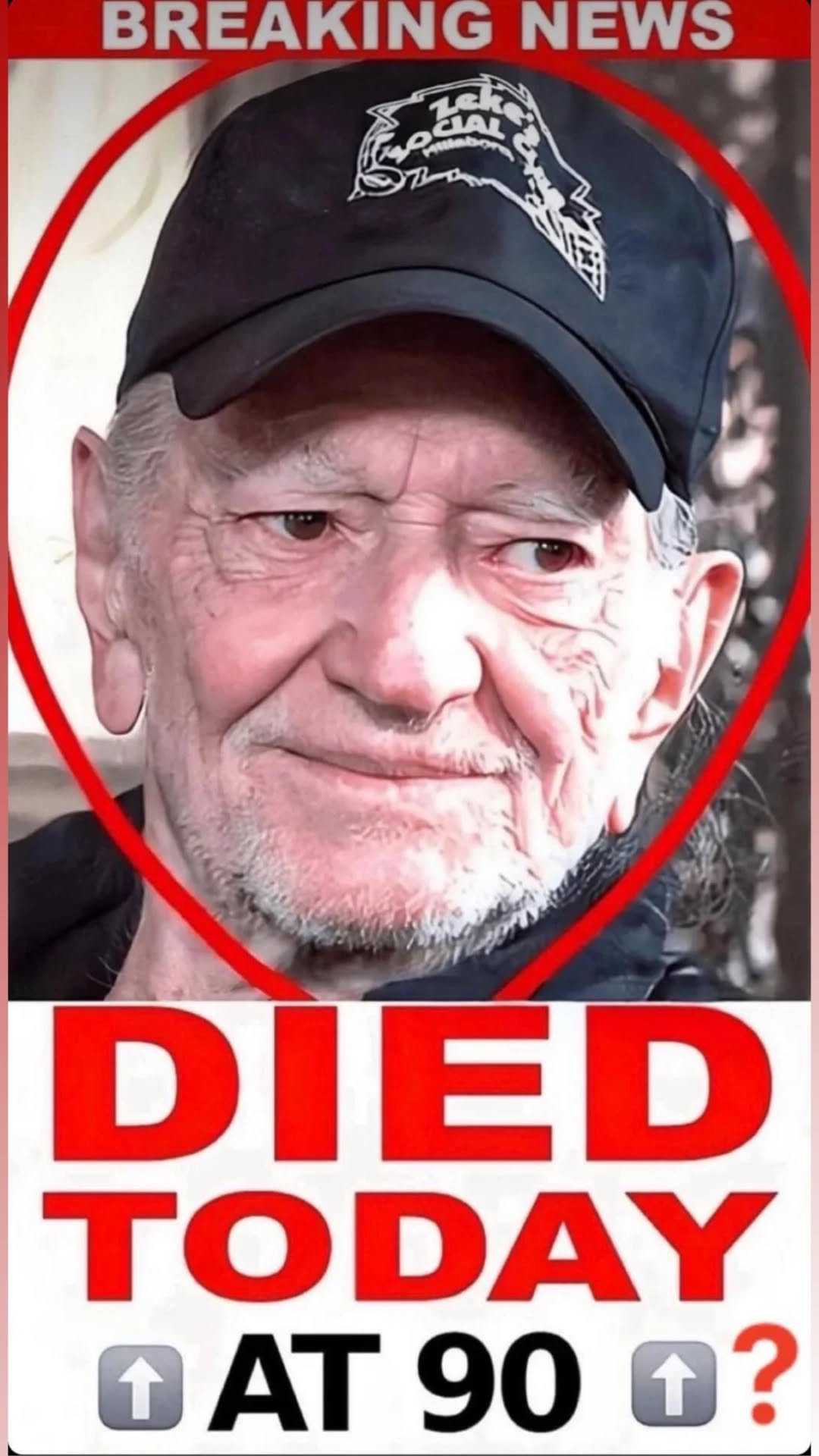
In the modern digital age, images travel faster than context. A single photograph, paired with bold text and dramatic framing, can spread across social media platforms in minutes, shaping opinions long before facts have a chance to catch up. One of the most persistent and troubling examples of this phenomenon is the viral “death announcement” image—posts that imply or outright claim that someone has died, often without verification, clarity, or consent.
Images like the one circulating here typically follow a familiar pattern: a close-up photograph of an older individual, a red or black graphic suggesting urgency, and large capitalized words such as “Breaking News” or “Died Today.” Sometimes a question mark is added, creating ambiguity while still planting the idea firmly in the viewer’s mind. Whether intentional or careless, this kind of presentation raises serious questions about misinformation, digital responsibility, and how society views aging.
This article explores the broader context behind such images—why they spread, how they affect individuals and families, and what they reveal about our relationship with age, mortality, and online media. Rather than focusing on any single person, it examines the trend itself, encouraging readers to think critically and compassionately.
Viral posts that suggest someone has died often rely on emotional shortcuts rather than factual reporting. Bright colors, urgent language, and cropped images are used to stop users from scrolling. The goal is simple: capture attention.
These posts rarely include verifiable details such as dates, sources, or official statements. Instead, they depend on implication. A question mark at the end of a sentence—“Died Today?”—creates plausible deniability while still triggering shock, sadness, or curiosity. Viewers may share the post without checking facts, driven by emotion or concern.
This format has become increasingly common because it works. Social media algorithms reward engagement, not accuracy. A post that sparks strong emotional reactions is more likely to be shared, commented on, and promoted by automated systems.
Why Older Faces Are Often Targeted
Images of elderly individuals are disproportionately used in misleading or speculative content. There are several reasons for this:
- Cultural assumptions about age
Many societies unconsciously associate advanced age with fragility or imminent death. When people see an older face paired with dramatic language, they may be more likely to believe the implication without questioning it. - Visual storytelling
Wrinkles, gray hair, and expressive facial lines are often interpreted as signs of a long life, struggle, or decline. These visual cues can be exploited to create a narrative that may not reflect reality. - Reduced public visibility
Older individuals who are not constantly in the public eye may be easier targets for false claims, as there is less immediate, widespread correction when misinformation appears.
This pattern reflects a deeper issue: ageism. When society becomes accustomed to seeing older adults portrayed primarily in the context of illness, decline, or death, it diminishes recognition of their ongoing contributions, resilience, and individuality.
The Emotional Impact of False Death Claims
For the public
Repeated exposure to false death claims erodes trust in legitimate news. When real, verified events occur, audiences may respond with skepticism or fatigue, unsure of what to believe.
Misinformation in the Age of Instant Sharing
The spread of misleading death announcements is part of a larger ecosystem of misinformation. Unlike traditional rumors, digital misinformation benefits from speed, scale, and repetition.
A single image can be reposted thousands of times, often stripped of any original caption or explanation. As it travels, context is lost. What may have started as speculation, satire, or even an edited graphic can morph into an accepted “fact” through sheer volume of exposure.
Importantly, many people who share such content do not intend harm. They may believe they are passing along news or honoring someone’s life. However, good intentions do not prevent harm when information is inaccurate.
The Role of Visual Design in Shaping Belief
Design choices matter. Red circles, arrows, bold fonts, and high-contrast text are commonly associated with urgency and importance. These elements are frequently used in thumbnails and clickbait graphics because they trigger instinctive reactions.
When applied to sensitive topics like death, this visual language can override rational skepticism. Viewers may react emotionally before considering whether the information is confirmed.
Understanding this dynamic helps explain why simply “seeing it online” often feels convincing, even in the absence of evidence.
Ethical Considerations for Content Creators
Anyone who creates or shares content online—whether a professional publisher or an individual user—has a role to play in shaping the digital environment.
 admin
admin