On the morning of January 7, 2026, a United States Immigration and Customs Enforcement (ICE) agent fatally shot 37-year-old Renee Nicole Good during a federal immigration enforcement operation in south Minneapolis, setting off a storm of controversy, protest, and political conflict across the country. Good, a U.S. citizen and mother of three, was killed after a confrontation with ICE agents during what federal authorities described as part of a larger enforcement surge.
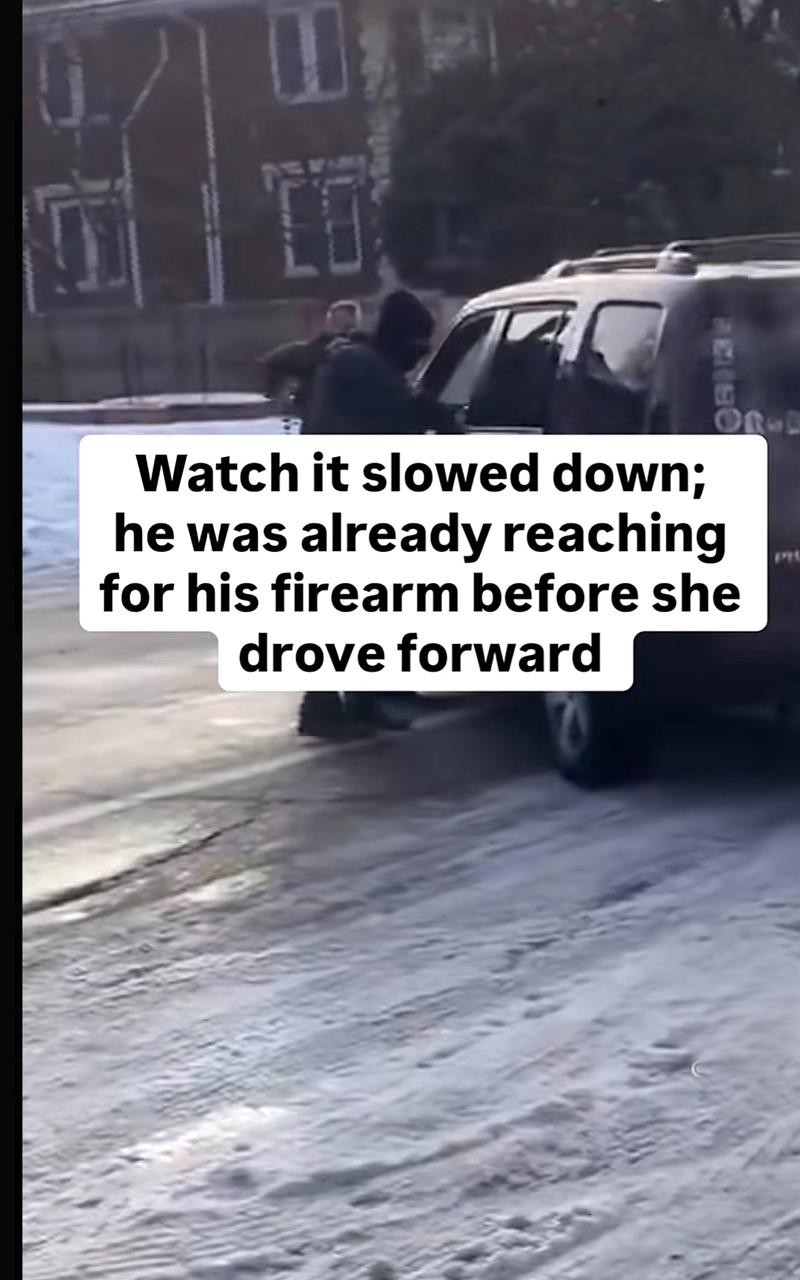
According to official statements, the shooting occurred around 9:30 a.m. on a cold winter morning in the Central neighborhood. Video footage from multiple angles shows several ICE officers approaching Good’s red SUV, which was stopped sideways in the middle of the street as agents tried to get her out of the vehicle. One agent attempted to reach inside the car, and when Good handled the vehicle’s controls and began to turn or move away, a nearby ICE agent fired three shots through the driver’s side window, striking her in the head. She later died at a hospital.
Federal officials, including the Department of Homeland Security (DHS), defended the shooting as an act of self-defense. DHS claimed that Good “weaponized her vehicle” and that the agent fired to protect himself and others, describing the incident as an “act of domestic terrorism.” President Donald Trump echoed this narrative on social media, alleging that the woman had violently attacked the agent with her car.
However, local politicians and community leaders sharply disputed the federal account. Minneapolis Mayor Jacob Frey publicly rejected the assertion that Good posed a deadly threat, saying that he had reviewed video of the incident and found no evidence that officers were run over or seriously harmed. Minnesota Governor Tim Walz also condemned the federal operation, suggesting that the presence of ICE agents was causing chaos and fear in the city. Critics from city hall to the state capitol demanded a full and transparent investigation.
Residents and witnesses in the neighborhood described a chaotic scene in which orders from agents appeared conflicting and the vehicle was not advancing in a clear threatening manner before shots were fired. Some witnesses insisted Good was attempting to leave the area, not attack officers.
Good’s life and identity added emotional weight to the incident. Born in Colorado, she had recently moved to Minnesota and was known by friends and family as a compassionate mother and creative person. She reportedly had no significant criminal history beyond minor traffic infractions. Good’s mother described her as kind and caring, emphasizing that she was not involved in violent protest or any activity that should have led to a deadly confrontation with federal agents.
The shooting drew an immediate and large response from the community. Vigils and protests were held in Minneapolis and other cities as hundreds gathered to mourn Good’s death, calling for accountability and changes in how federal immigration operations are conducted. Some demonstrations were peaceful, while tensions at times climbed as local residents and activists confronted law enforcement.
Amid the public outcry, Minneapolis public schools canceled classes for the remainder of the week, and officials activated emergency operations centers to coordinate responses to the crisis. The incident has also intensified national debate over ICE’s role, especially under an expansive federal immigration enforcement strategy that sent thousands of officers to the Twin Cities area.
Federal and local law enforcement agencies, including the FBI, launched investigations into the shooting. Meanwhile, elected officials across the political spectrum called for transparency, accountability, and reforms to prevent similar tragedies in the future.
The killing of Renee Nicole Good has become a flashpoint in ongoing national discussions over immigration enforcement, the use of force by federal agents, and how the justice system responds when a civilian is killed by law enforcement. More than just a headline, the event has spurred community grief, political debate, and a renewed push to examine how federal power is exercised in American cities.
 admin
admin